Blog
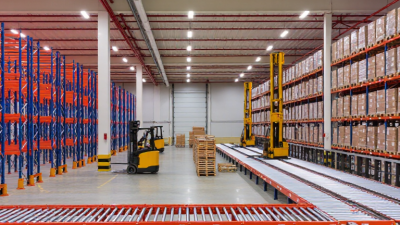
What Are the Top Pallet Storage Racking System Types?
Choosing the right Pallet Storage Racking System begins with physical reality, not attractive product photographs. A warehouse may hold identical pallets, yet its rack requirements can differ sharply. Inventory turnover, pallet weight, forklift reach, aisle width, ceiling height, fire protection, and stock rotation all influence the final design. Small errors become expensive when steel frames, vehicles, and workers share narrow aisles.
Industry evidence supports a more disciplined approach. MHI’s 2024 Annual Industry Report identified robotics and automation as a major investment priority, with 46% of surveyed companies reporting current use. The report also highlighted continuing pressure from labor shortages and rising service expectations. These conditions make storage density important, but density alone can create slower access and greater operating complexity. The U.S. material handling equipment market also continues to develop around higher throughput, visibility, and automation.
No single rack type wins every time.
John J. Bartholdi III, a respected warehouse design researcher, states, “The purpose of a warehouse is to provide storage and retrieval services.” That principle keeps the discussion practical. Selective pallet racks usually provide direct access, while drive-in racks favor high-density storage. Push-back and pallet-flow systems can improve space use and stock movement, but they require stricter load planning and maintenance discipline. Double-deep layouts may increase capacity, although they can complicate retrieval.
This guide compares the leading Pallet Storage Racking System types through capacity, accessibility, safety, cost, and operational fit. Some recommendations remain imperfect. A rack that looks efficient on paper may perform poorly beside a busy loading door.
Read more »
 By:Amelia
- October 15, 2026
By:Amelia
- October 15, 2026
Top Pallet Racking Suppliers for Global Buyers
For global buyers, selecting a pallet racking supplier involves more than comparing catalog prices. Pallet Racking must fit warehouse dimensions, product weights, handling equipment, and local safety expectations. A reliable supplier should explain beam capacity, upright design, anchoring, corrosion protection, and inspection needs clearly. These details matter when forklifts move quickly between narrow aisles. Small design errors can create expensive delays.
This guide examines leading suppliers through practical purchasing criteria. It considers manufacturing experience, engineering resources, quality controls, export capability, and after-sales support. Buyers should request load tables, drawings, material specifications, test records, and installation guidance. Factory audits can reveal production discipline better than polished brochures. References from warehouses with similar climates and storage loads are also valuable. Ask difficult questions early.
Global projects often face changing freight costs, uneven lead times, and different building conditions. Suppliers with regional partners may simplify delivery, installation, and spare-parts access. However, a familiar brand is not automatically the safest choice. Certifications require verification, and quoted capacity must match actual operating conditions. No supplier is perfect. Even experienced teams can overlook future expansion or floor limitations. A careful comparison balances price, evidence, service, and long-term risk. The strongest choice is not always the cheapest. It is the supplier that communicates honestly, documents assumptions, and supports safe performance after installation.
Read more »
By:Amelia
- October 15, 2026
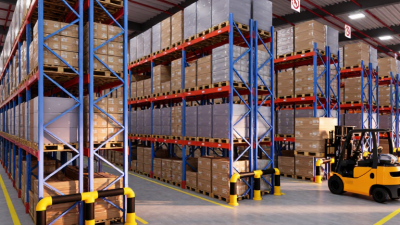
10 Tips for Choosing Pallet Rack Systems
Choosing the right Pallet Rack Systems can shape every movement inside a warehouse. A poor decision may create blocked aisles, damaged pallets, and wasted floor space. A well-planned system supports safer storage, faster picking, and controlled growth.
James A. Tompkins, a respected warehouse design expert, said, “The warehouse is the heart of the supply chain.” His point remains practical. Rack selection should begin with real operating conditions, not attractive product images. Measure ceiling height, aisle width, pallet dimensions, load weights, forklift turning space, and sprinkler clearances. Then examine inventory turnover. Fast-moving cartons may need selective racks near dispatch doors. Slow-moving stock could suit higher-density configurations. Every detail matters.
Safety must remain visible. Check beam capacity, upright protection, anchor requirements, inspection routines, and local engineering standards. Do not assume that a stronger-looking frame always offers greater safety. That assumption can fail. Product quality, installation accuracy, and daily discipline work together.
The following ten tips explore these decisions in a practical sequence. They compare storage density, accessibility, expandability, budget, and maintenance demands. They also consider seismic conditions and changing inventory profiles. A warehouse rarely stays unchanged. New packaging, heavier pallets, or different forklifts can expose weaknesses later.
Some recommendations may not fit every facility. That is normal. The best choice depends on measured needs, qualified advice, and honest review of past problems. Before approving a layout, walk the aisles with operators. Watch where pallets hesitate, where drivers reverse, and where congestion quietly begins. That evidence is often more useful than a polished sales proposal.
Read more »
 By:Evelyn
- October 15, 2026
By:Evelyn
- October 15, 2026