[email protected] Serving Malaysia · Thailand · Vietnam · Indonesia · Philippines · Singapore
English
Intralogistics Automation · High-Density Storage
Radio Shuttle Racking System: Ultimate Global Procurement & Engineering Architecture
Transform warehouse volume density by up to 80% with semi-automated radio shuttle racking systems manufactured by Guangzhou Heda Shelves Co., Ltd. Eliminate forklift deep-lane transit, double pallet throughput rates, and engineer seamless FIFO/LIFO control.
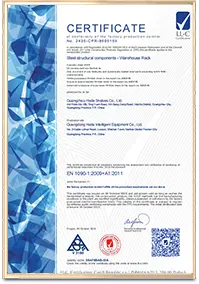
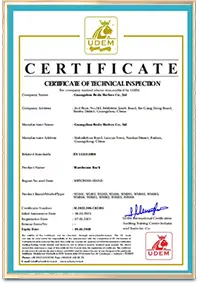
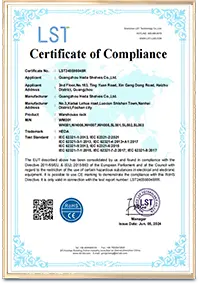
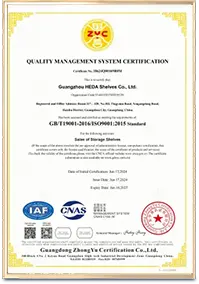
Verified ComplianceCE & ISO 9001:2015 Structural Safety
30,000 m² InfrastructureGuangzhou Direct Manufacturing Plant
Structural CalculationFree Custom CAD & Finite Element Models
Turnkey Global ExportFOB/CIF Port-to-Port Rapid Dispatch
Technical Architecture & Benchmark
What is a Radio Shuttle Racking System, and How Does It Outperform Traditional Storage?
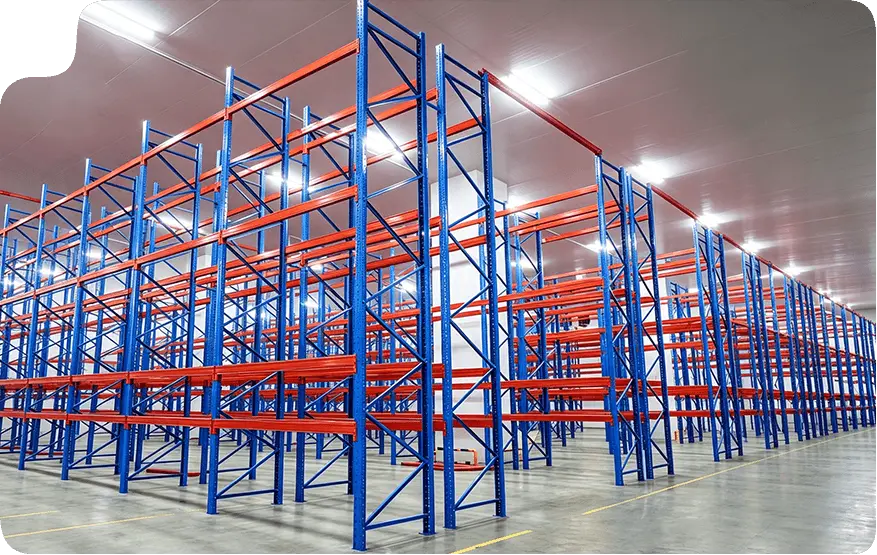
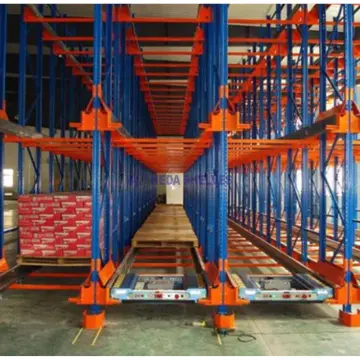
A Radio Shuttle Racking System is a high-density, semi-automated pallet buffer designed to decouple material handling equipment from structural storage tunnels. Autonomous battery-powered shuttle carts travel on engineered guide rails inside storage lanes to store and retrieve pallets under remote-control or warehouse execution software commands.
Global procurement teams navigating rising urban land costs, extreme energy tariffs in cold chain logistics, and labor constraints frequently struggle with the tradeoffs between conventional selective racks and drive-in racks. Guangzhou Heda Shelves Co., Ltd. resolves these systemic operational bottlenecks by manufacturing rugged, cold-formed structural steel frameworks paired with high-precision guided rails.
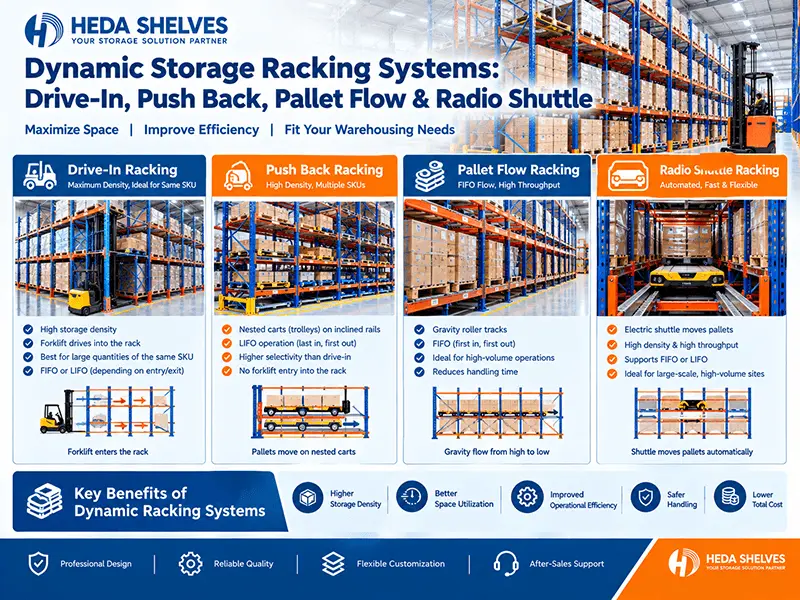
By preventing reach trucks and counterbalanced forklifts from entering rack tunnels, the radio shuttle racking system virtually eliminates structural collisions, minimizes beam replacement cycles, and increases storage density by up to 75%–80% compared to wide-aisle selective racking. Pallets glide effortlessly along the channel, whether operating under First-In-First-Out (FIFO) or First-In-Last-Out (LIFO) material routing rules.
Volumetric Utilization: Increases warehouse cubic capacity utilization from 40% (selective) to 85%+.
Cycle Speed Efficiency: Shuttle cart moves at up to 0.8–1.2 m/s fully loaded, cutting forklift wait times by 50%.
Operational Safety: Forklifts operate strictly outside the rack perimeter, protecting upright assemblies and personnel.
System Comparison: Radio Shuttle vs. Traditional Racking
Parameter
Selective Rack
Drive-In Rack
Radio Shuttle
Storage Density
Low (40-50%)
High (70-75%)
Ultra-High (80-88%)
Pallet Access
100% Direct
Poor (LIFO only)
Lane Selective (FIFO/LIFO)
Forklift Damage Risk
Moderate
Extremely High
Near Zero (External only)
Throughput Speed
Moderate
Slow
Fast (Automated Lane Transit)
Cold Storage ROI
Poor
Moderate
Optimal (Cuts Refrigeration kWh)
Engineered structural data based on testing at Guangzhou Heda Shelves Co., Ltd.'s ISO 9001 certified roll-forming testing facilities.
Engineered Deployments
Radio Shuttle Racking System Configurations Tailored for Global Procurement
Different logistics footprints require distinct structural tolerances, motor ratings, and electrical safeguards. Review our four proven industrial-grade configurations.
Designed for seafood, meat processing, and pharmaceutical freezer warehouses down to -30°C. Features internal condensation heaters, low-temp lithium battery cells, and polyurethane anti-slip drive wheels.
-30°C Operating Range1,500 kg Rated LoadGalvanized Rails
Cold Chain Shuttle
Continuous FIFO
Continuous FIFO Buffer Layout
Optimized for food and beverage manufacturing plants and high-velocity FMCG distribution centers requiring strict batch expiry control, separation of loading and retrieval aisles, and round-the-clock sorting.
Heavy-duty reinforced structural uprights and thickened guide profiles engineered to support automotive parts, chemical intermediate bulk containers (IBCs), and building materials up to 2,000 kg per pallet position.
Up to 2,000 kg/PalletHigh Yield Q235B/Q355BImpact Deflectors
Heavy-Duty Shuttle
Smart Logic
Smart WMS-Integrated Shuttle
Combines semi-autonomous shuttle shuttling with industrial tablet controllers and bidirectional Wi-Fi/RF communication to seamlessly interface with modern Enterprise Resource Planning and Warehouse Management Systems.
Global Procurement & Technological Evolution Trends
Procurement directors and supply chain engineers are no longer purchasing isolated racking steel; they are investing in scalable automation platforms. Here are the macro procurement trends dominating the industry.
01
Migration Toward 4-Way Directional Shuttles
While traditional 2-way radio shuttles travel within linear lanes, international procurement is progressively integrating 4-way shuttles capable of cross-lane switching and vertical elevator integration, forming fully automated AS/RS ecosystems.
02
Energy-Centric Cold Chain Densification
Rising industrial power tariffs across North America, Europe, and Asia-Pacific have made radio shuttle racking standard for cold storage. Compacting goods eliminates 40% of cooled air volume, drastically cutting kilowatt-hour cooling expenditure.
03
LiFePO4 Power & Contact Charging
Ternary lead-acid packs have been replaced by high-cycle Lithium Iron Phosphate (LiFePO4) battery modules. Current developments include automatic conductive rail charging, allowing shuttles to operate continuously across 24/7 shifts.
04
IoT Telemetry & Predictive Maintenance
Modern radio shuttle fleets now incorporate IoT sensors that report wheel wear, vibration signatures, motor temperature, and battery degradation to cloud dashboards, preventing unanticipated downtime on active fulfillment lines.
Enterprise Strength
Engineered by Guangzhou Heda Shelves Co., Ltd.
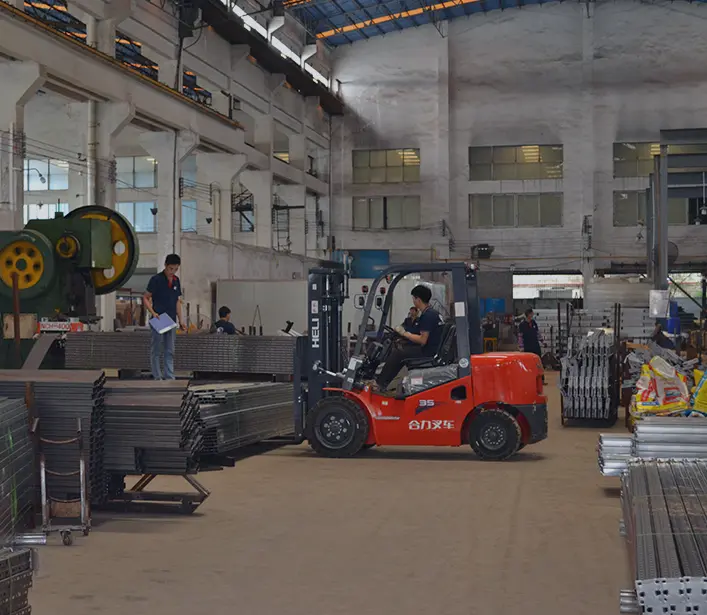
Founded in 2001, Guangzhou Heda Shelves Co., Ltd. has grown into a world-class designer, manufacturer, and exporter of heavy-duty industrial racking and automated storage solutions. Operating a modernized 30,000 square meter factory with more than 300 technical and production personnel, we sustain an extraordinary monthly manufacturing capacity exceeding 30,000 tons of structural steel components.
Having completed over 10,000 warehouse projects across 120+ countries, we understand the exacting technical requirements of international engineering consultants, third-party logistics operators, and food/beverage distributors. Every radio shuttle racking system is fully fabricated in-house—from cold roll-forming and high-precision CNC column punching to chemical pickling, phosphating, and automated electrostatic powder coating.
25+ Years of Structural Innovation: Dedicated in-house structural engineers analyzing deflection rates and seismic thresholds.
Tropical & Harsh Environment Anti-Corrosion: In-house multi-stage chemical pretreatment and powder coating ensure resilience in humid and sub-zero climates.
Complete Pre-Assembly & Factory Testing: Every shuttle car undergoes continuous full-load run testing prior to container stuffing.
Frequently Asked Questions on Radio Shuttle Racking Systems
Direct engineering clarity addressing the most common technical, financial, and operational queries posed by global procurement managers to search engines and AI assistants.
Need a Custom Calculation?
Our structural engineers assess your pallet dimensions, forklift fleet, building heights, and seismic coordinates without cost.
For high-throughput facilities or cold storage distribution hubs, the typical Return on Investment (ROI) falls between 14 to 22 months. While initial capital expenditure is higher than conventional drive-in systems due to shuttle carts and precision rail profiles, financial payback is accelerated through three distinct operational factors: 1) Forklift transit time inside channels is eliminated, slashing labor requirements and machine operating hours by up to 45%; 2) Structural rack collision damage—a recurring repair cost in drive-in racks—is reduced by more than 90%; 3) In refrigerated warehouses, superior cubic density reduces per-pallet cooling energy consumption by 20% to 35% annually.
Yes. Guangzhou Heda Shelves Co., Ltd. manufactures dedicated cold-chain shuttle units designed specifically for operation in freezing chambers down to -30°C. These units incorporate low-temperature lithium iron phosphate (LiFePO4) battery packs, internal anti-condensation heating circuitry that activates when transitioning between zones, food-grade low-temperature lubricants, IP65-rated optical sensors, and specialized polyurethane drive wheels to maintain high traction on chilled steel guide rails.
The required ratio of shuttle carts to pallet positions depends directly on throughput volume (pallets per hour) rather than sheer capacity. As an engineering baseline, one radio shuttle cart efficiently supports between 500 and 1,500 pallet positions in moderate turnover facilities. In fast-moving FMCG or cross-dock buffers where daily inbound and outbound cycle velocities are high, engineers frequently allocate one shuttle cart per 300 to 500 positions or dedicate shuttles per racking level to minimize forklift relocation wait times.
Because automated shuttles lift pallets from underneath via central rail runners, pallet consistency is paramount. Systems accommodate Euro pallets (800x1200mm), Industrial pallets (1000x1200mm), or custom dimensions. Pallets must possess bottom runners (perimeter base or 3-runner design) and allowable bottom deflection must not exceed 20mm under maximum design load. Damaged pallets with broken bottom boards, protruding fasteners, or severe bottom sag must be redirected via inbound profiling stations to avoid in-lane shuttle jamming.
Yes. The structural framework can be configured for either operating model. In a LIFO (Last-In-First-Out) configuration, racking blocks are positioned against warehouse perimeter walls with a single operating aisle used for both loading and unloading. In a FIFO (First-In-First-Out) design, an input aisle is placed at one end of the racking tunnel and a dedicated retrieval aisle at the other, making it the ideal solution for date-sensitive perishable foods, pharmaceuticals, and manufacturing assembly buffers.
Our shuttle carts feature intelligent automated power safeguards. When the battery level dips below 10%, the shuttle automatically completes its active mission, refuses new cycle commands, returns to the lane entry point, and signals the operator via audio-visual alarm and handheld remote. In the rare event of mechanical failure deep within a 40-meter lane, HEDA supplies a dedicated emergency mechanical recovery vehicle that forklifts can dispatch into the lane to dock with and retrieve the stalled shuttle cart safely.
"Optimize every cubic meter of your facility with precision automation engineered for 20+ years of operational durability."
Senior Intralogistics Engineering Team · Guangzhou Heda Shelves Co., Ltd.
Direct Factory Collaboration
Request Your Custom Radio Shuttle Proposal
Submit your facility parameters to receive a custom CAD layout, static load calculations, and turnkey factory pricing within 24 to 48 hours.
 Cold Chain Pro