For global buyers, selecting a pallet racking supplier involves more than comparing catalog prices. Pallet Racking must fit warehouse dimensions, product weights, handling equipment, and local safety expectations. A reliable supplier should explain beam capacity, upright design, anchoring, corrosion protection, and inspection needs clearly. These details matter when forklifts move quickly between narrow aisles. Small design errors can create expensive delays.
This guide examines leading suppliers through practical purchasing criteria. It considers manufacturing experience, engineering resources, quality controls, export capability, and after-sales support. Buyers should request load tables, drawings, material specifications, test records, and installation guidance. Factory audits can reveal production discipline better than polished brochures. References from warehouses with similar climates and storage loads are also valuable. Ask difficult questions early.
Global projects often face changing freight costs, uneven lead times, and different building conditions. Suppliers with regional partners may simplify delivery, installation, and spare-parts access. However, a familiar brand is not automatically the safest choice. Certifications require verification, and quoted capacity must match actual operating conditions. No supplier is perfect. Even experienced teams can overlook future expansion or floor limitations. A careful comparison balances price, evidence, service, and long-term risk. The strongest choice is not always the cheapest. It is the supplier that communicates honestly, documents assumptions, and supports safe performance after installation.
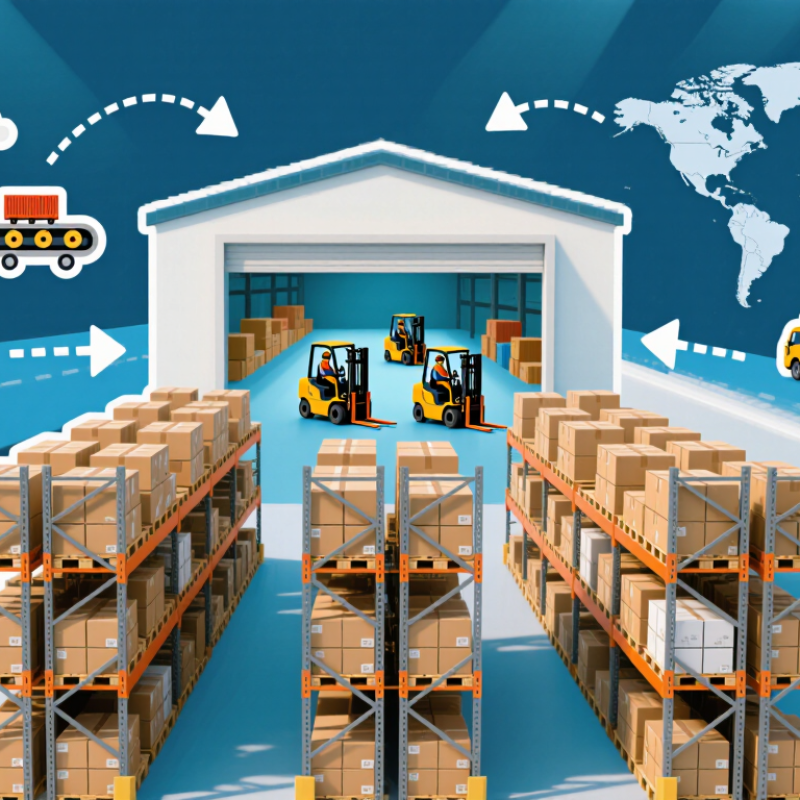
What Pallet Racking Suppliers Provide to Global Buyers
Top Pallet Racking Suppliers for Global Buyers
Global pallet racking suppliers provide more than steel frames and beams. They support warehouse design, load calculations, layout drawings, and installation guidance. MHI’s 2024 Annual Industry Report found that 83% of supply chain leaders expect technology investment to increase within five years. Suppliers now connect racking with barcode systems, sensors, and warehouse software. That connection improves stock visibility and reduces avoidable picking movement.
Reliable suppliers also provide documented load capacities, material certificates, inspection instructions, and replacement parts. They should explain seismic requirements, corrosion protection, and anchoring methods for each destination. EN 15635 recommends regular rack inspections by trained personnel. Local engineers must still verify site conditions. A supplier’s drawing is not a substitute for local approval.
Delivery support matters just as much. Global buyers often need container planning, export packaging, multilingual manuals, and predictable spare-part access. The 2024 MHI report also identified labor shortages as a major operational concern. Clear assembly guides can reduce dependence on scarce skilled workers. Small details matter, such as labeled bolts and beam protectors. They save time.
Pricing alone can mislead. A cheaper frame may require costly reinforcement later. Buyers should compare total ownership costs, warranty terms, inspection training, and response times. I have seen projects focus heavily on capacity while overlooking aisle width and forklift turning space. That mistake deserves more attention. Supplier claims should be checked against drawings, test records, and independent engineering review.
Top Pallet Racking Suppliers for Global Buyers - What Pallet Racking Suppliers Provide to Global Buyers
| Supplier Category | Primary Buyer Markets | Main Racking Systems | Typical Load Capacity | Common Material and Finish | Compliance Documents | Customization Services | Indicative Production Lead Time | Export Support |
|---|---|---|---|---|---|---|---|---|
| High-volume industrial supplier | North America, Europe, Asia-Pacific, Middle East | Selective pallet racking, drive-in racking, push-back racking, cantilever racking | Approximately 500–5,000 kg per beam level, depending on design | Cold-formed or hot-rolled structural steel; powder-coated or galvanized finish | Load calculations, technical drawings, material certificates, welding records, quality inspection reports | Beam length, frame height, pallet dimensions, aisle width, safety accessories and color | About 4–10 weeks after design approval and deposit | Commercial invoice, packing list, certificate of origin, export packing and container-loading plans |
| Warehouse automation integrator | Large distribution centers and e-commerce facilities worldwide | High-bay racking, shuttle racking, automated storage and retrieval systems, conveyor-supported racking | Approximately 500–1,500 kg per pallet position for automated applications | High-strength steel components with corrosion-resistant painted or galvanized surfaces | System layout, structural calculations, electrical documentation, software interface specifications and inspection records | Storage density, temperature-controlled operation, conveyor interfaces, barcode or RFID integration and safety fencing | About 12–30 weeks, depending on automation scope | Project management, installation coordination, commissioning support and operator training documentation |
| Cold-storage specialist | Food, beverage, pharmaceutical and frozen-goods warehouses | Drive-in racking, mobile racking, shuttle racking and high-density pallet racking | Approximately 600–2,000 kg per pallet position, subject to temperature and layout requirements | Galvanized or specially protected structural steel for humid and low-temperature environments | Temperature-environment design data, corrosion-protection details, load calculations and installation instructions | Insulated-room compatibility, forklift clearance, pallet type, hygiene requirements and anti-corrosion treatment | About 6–14 weeks after final engineering confirmation | Moisture-resistant export packing, installation sequencing and cold-room access planning |
| Medium-duty warehouse supplier | Small and medium-sized warehouses, wholesalers and retail backrooms | Light-duty pallet racking, carton flow racking, shelving and mezzanine-supported storage | Approximately 200–1,000 kg per level, depending on span and configuration | Cold-rolled steel with powder coating; galvanized parts for selected environments | Product specifications, assembly instructions, load labels and basic quality inspection records | Shelf levels, bay width, height, decking type, back guards, upright protectors and row layout | About 3–8 weeks for standard configurations | Flat-pack or nested packing, palletization, container utilization planning and standard customs documents |
| Heavy-duty structural supplier | Manufacturing, automotive, metal, timber and construction-material sectors | Heavy-duty selective racking, cantilever racking, coil storage and long-load storage | Approximately 1,000–10,000 kg per level or arm set, based on engineered configuration | Hot-rolled or welded structural steel; painted, powder-coated or galvanized finish | Engineered drawings, steel certificates, weld inspection records, load-rating plates and installation guidance | Arm length, column height, load type, crane or forklift access, seismic parameters and floor conditions | About 6–16 weeks, depending on steelwork and engineering complexity | Oversized-load planning, reinforced export packing, lifting instructions and site-installation coordination |
| Regional project and installation supplier | Local or regional warehouses requiring survey, installation and after-sales service | Selective racking, shelving, mezzanines, safety barriers and warehouse layout packages | Approximately 500–3,000 kg per beam level for common pallet-storage projects | Painted or galvanized steel selected according to indoor conditions and local regulations | Site survey, layout drawings, installation method statement, load notices and handover documents | On-site measurements, local pallet standards, forklift specifications, seismic design and phased installation | About 4–12 weeks, including site survey and installation scheduling | Local delivery, unloading, installation, inspection, maintenance advice and spare-parts support |
Note: Capacity and lead-time figures are indicative industry ranges. Final specifications must be confirmed through an application-specific structural design that considers pallet weight, beam span, rack height, floor conditions, forklift type, seismic requirements and applicable local regulations.
FAQS
Request load tables, steel specifications, dimensional tolerances, coating details, drawings, and installation guidance. Sales brochures are not enough.
Humid areas may need stronger corrosion protection. Seismic regions may require special anchoring and engineering review. Local conditions matter.
Selective racking supports mixed SKUs and direct forklift access. It offers practical access, though storage density may be lower.
Drive-in racking suits uniform products with similar pallets. It increases density but reduces individual pallet access.
Confirm pallet size, unit weight, beam span, upright height, aisle width, and floor capacity. Small errors can create expensive revisions.
Wire decking, pallet supports, column guards, and back protection can reduce daily risks. Forklift operators often notice missing protection first.
Review inspection records, test reports, spare-part availability, and installer training. Track response times before signing. Slow answers may signal future delays.
Include freight, installation, inspections, maintenance, replacement parts, and future expansion. A low purchase price can hide higher ownership costs.
Yes. A pilot bay can reveal clearance problems, wrapping differences, and operator habits before full installation. Assumptions rarely survive a busy warehouse.
Conclusion
This guide explains what international buyers should expect from reliable Pallet Racking suppliers, including product consultation, warehouse planning, technical documentation, and solutions suited to different storage environments. It outlines how to compare suppliers across markets by reviewing manufacturing capacity, material quality, engineering expertise, communication, lead times, and customer service. Buyers will also learn about key product types, such as selective, drive-in, carton flow, and heavy-duty systems, along with customization options for load capacity, dimensions, layouts, and operational requirements.
The article also highlights the importance of international standards, structural testing, quality control, workplace safety, and clear installation guidance. In addition, it covers the complete purchasing process, from quotation and sample confirmation to production, packaging, shipping, customs coordination, and on-site assembly. Strong after-sales support, spare parts availability, maintenance advice, and responsive warranty service are essential factors for ensuring a safe, durable, and cost-effective storage solution.