Executive Procurement Directive: As Kenya accelerates its industrial transformation under the Kenya Vision 2030 roadmap and solidifies its geostrategic footprint as the economic gateway to the East African Community (EAC), the demand for high-density, vertically integrated, and structurally certified warehouse storage systems has reached unprecedented levels. Modern supply chains in Nairobi, Mombasa, Naivasha, and Athi River are migrating rapidly away from manual floor stacking toward high-bay selective pallet racking, automated radio shuttles, and engineered mezzanine systems. Sourcing factory-direct from China's tier-one racking manufacturers bridges the gap between European structural engineering standards (FEM 10.2.02, EN 15512) and cost-optimized capital expenditure, guaranteeing structural resilience, corrosion endurance against East African climatic variances, and full compliance with Kenya Bureau of Standards (KEBS) Pre-Export Verification of Conformity (PVoC).
Industrial Warehouse Storage Systems for the Kenya Market
Precision-engineered with high-tensile Q235B and Q355B cold-rolled structural steel, certified for rigorous load ratings, seismic factors, and long-term industrial operations across East Africa.
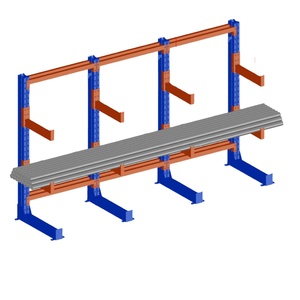
Robust Cantilever Shelving Unit Upright Column for Long Shape Goods
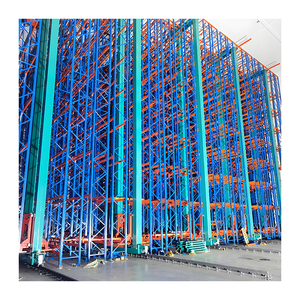
High-Density Pallet Shuttle Racking System Automatic Steel Storage Frame 3000kg Load Capacity Heavy Duty Warehouse
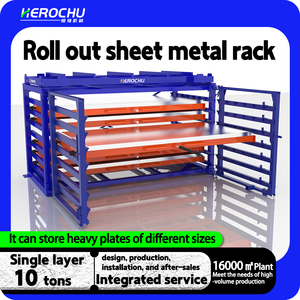
Heavy Duty Roll Out Sheet Metal Storage Rack Carbon Steel Drawer Shelving 10 Ton Single Layer 2 to 8 Layers 2000-3200mm
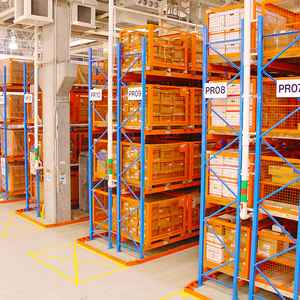
Customized OEM ODM Heavy Duty Steel Warehouse Storage Rack Shelves Factory Warehouse Narrow Aisle Rack Shelving
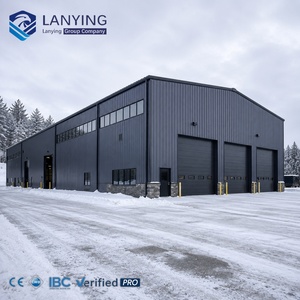
Prefabricated Building Steel Structure Building Warehouse Building Steel Structure Warehouse
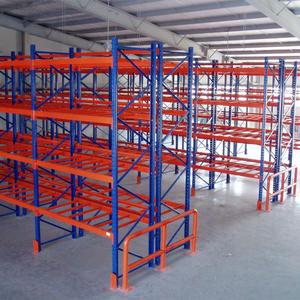
Q235 Steel High Density Layout Rack for Building Materials Storage
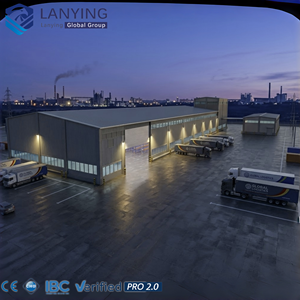
Prefabricated Industrial Steel Structure Warehouse Workshop With Racking System And Customized Metal Building Fabrication
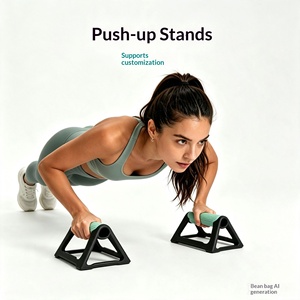
H-shaped Push-up Rack Training Stand Multi-functional I-beam Design No Installation Required Home Gym Equipment for Bodybuilding
1. The Geostrategic Shift in Kenyan Supply Chain Infrastructure
Kenya stands at the epicenter of East African intra-regional trade. With the commissioning of the Standard Gauge Railway (SGR) connecting the deep-water Port of Mombasa to the Inland Container Depot Nairobi (ICDN) at Embakasi, and extending onward to the Naivasha Inland Container Depot, transit times and dry-port cargo bottlenecks have undergone revolutionary compression. Industrial nodes such as the Athi River Special Economic Zone (SEZ), Tilisi Logistics Park, Tatu City Industrial Park, and Africa Logistics Properties (ALP) North and West hubs have redefined the operational standard from legacy godowns with low eaves into Grade-A high-clearance distribution facilities boasting clear operating heights between 10 and 15 meters.
However, an operational dichotomy exists across Kenyan industrial operations. In legacy warehouses across Nairobi’s Industrial Area, Baba Dogo, and Shimanzi in Mombasa, floor stacking of standard 1000×1200mm four-way pallets restricts volumetric utilization to a meager 25% to 35% of cubic capacity. With commercial land valuation in Nairobi’s metropolitan logistics corridors appreciating rapidly, horizontal expansion is no longer economically viable. The imperative for Kenyan enterprise leaders—spanning 3PL fulfillment operators, FMCG brand distributors, pharmaceutical aggregators, and horticultural cold chains—is vertical volumetric densification through high-tensile, multi-tiered industrial racking architectures.
2. Localized Industry Application Scenarios Across Kenya
A standardized racking layout engineered for European or East Asian climates often fails in East Africa if localized operational variables, handling equipment availability, and environmental stress profiles are omitted during preliminary engineering. Chinese tier-one manufacturers specializing in African exports deploy customized static and dynamic storage systems mapped directly to Kenyan industrial sectors:
Horticulture, Floriculture & Cold Storage
Export cold hubs around Jomo Kenyatta International Airport (JKIA) and Naivasha flower farms require high-density Radio Shuttle and Drive-In racking. Sub-zero and refrigerated rooms demand minimum 80-micron hot-dip galvanized or pickled anti-condensation powder coatings to withstand continuous 95% relative humidity without structural oxidation.
FMCG, Retail & E-Commerce Fulfillment
Leading supermarket chains (Naivas, Quickmart, Carrefour) and digital distribution platforms (Twiga Foods) require Selective Pallet Racking combined with Carton Flow systems and Rack-Supported Mezzanines. This architecture guarantees 100% pallet selectivity, dynamic batch picking, and seamless FIFO stock rotation for rapid dispatch.
Agribusiness: Coffee, Tea & Grain Storage
The Mombasa Tea Auction and regional coffee milling facilities in Central Kenya demand robust Drive-In and Pallet Shuttle storage built to handle intense repetitive loading of heavy gunny bags and bulk containers weighing 1,000kg to 1,500kg per position, with integrated heavy-duty baseplate anchors for seismic stability.
Hardware, Steel & Construction Materials
Building material importers along Mombasa Road and Kisumu distribute structural rebar, PVC extrusions, heavy metal sheets, and lumber. Heavy-Duty Cantilever Racking and Roll-Out Sheet Metal Drawer Systems provide unhindered overhead crane and side-loader access while eliminating material sagging.
Pharmaceutical & Bonded Transshipment
Mombasa Port-bonded CFS (Container Freight Stations) and WHO-compliant medical distribution warehouses in Nairobi rely on Very Narrow Aisle (VNA) and automated high-bay systems equipped with anti-collapse wire mesh, heavy deck panels, and precision guide rails for specialized wire-guided reach trucks.
Transit Logistics to EAC Landlocked Nations
Kenyan 3PL logistics facilities serving cross-border transshipment into Uganda, Rwanda, South Sudan, and eastern DRC utilize high-load Selective Racking configurations engineered for varied pallet types (wood, plastic, Euro, ISO), ensuring high durability under intense third-party contractor handling.
3. Technical & Structural Engineering Matrix for Kenyan Warehousing
Specifying industrial racking for Kenya requires dynamic calculation of regional soil and atmospheric characteristics. In Athi River and Machakos, foundation designs must accommodate expanding and contracting black cotton soils, demanding strict baseplate sizing and high-tensile wedge anchor embedment depths. Conversely, coastal Mombasa presents severe ISO 9223 C4/C5 marine atmospheric corrosion risks requiring enhanced surface protection.
| Racking System | Typical Payload / Level | Space Utilization | Selectivity Profile | Optimal Kenyan Use Case |
|---|---|---|---|---|
| Selective Pallet Racking | 1,000 kg – 4,500 kg | 40% – 50% | 100% Direct Access | FMCG, 3PL Distribution, Pharma, High-SKU Retail |
| Automatic Radio Shuttle | 500 kg – 3,000 kg | 80% – 90% | LIFO / FIFO by Lane | JKIA Cold Storage, Beverage Bottlers, Agricultural Bulk |
| Heavy-Duty Cantilever | 500 kg – 2,500 kg/Arm | 60% – 70% | 100% Linear Access | Steel Piping, Timber, Aluminum Extrusions, Rebar |
| Very Narrow Aisle (VNA) | 1,000 kg – 3,500 kg | 85% – 90% | 100% Direct Access | Grade-A Logistics Parks (Tatu City, Tilisi, ALP) |
| Multi-Tier Mezzanine | 300 kg – 1,200 kg/m² | 100% Cubic Doubling | Zoned Bin / Shelf Access | E-commerce fulfillment, Spare Parts, Light Industrial Assembly |
4. Anti-Corrosive Metallurgy & Seismic Design Considerations
Our manufacturing base deploys hot-rolled and cold-formed coil strip sourced exclusively from certified state-owned steel mills, fabricated to standardized Q235B and high-yield Q355B tensile specifications. Cold-formed omega-profile upright columns are stamped with 50mm or 75mm continuous hole pitches utilizing automated multi-station roll-forming lines, guaranteeing column verticality within 1/1000 tolerance.
To withstand the microclimatic realities of the Great Rift Valley (characterized by seismic tremors along the Nakuru-Naivasha tectonic belt) and Mombasa's saline moisture, components undergo a comprehensive 9-stage pre-treatment regimen. This includes high-pressure chemical degreasing, zinc-manganese pickling, multi-stage phosphating, and deionized water rinsing before entering automated electrostatic spray booths. A thermosetting hybrid epoxy-polyester powder coating is applied at 80–120 microns and cured at 200°C. This delivers an impact-resistant, non-flaking finish that passes the 500-hour ASTM B117 salt-spray corrosion resistance threshold.
5. The Direct-from-Factory Advantage: HEDA Shelves Industrial Prowess
Sourcing directly from an established Chinese original equipment manufacturer (OEM) eliminates intermediary trading markups, ensuring that East African investors retain complete control over structural integrity, engineering documentation, and delivery timelines. Our central manufacturing complex in Guangzhou, China embodies over two decades of heavy industrial fabrication leadership:
Massive Scale & Capacity
A modernized 30,000 m² heavy-industrial production facility powered by 300+ certified fabrication technicians, automated robotic GMAW welding cells, and roll-forming lines producing up to 30,000 metric tons per month.
Rigorous International Certifications
Fully compliant with CE Marking (EN 15512:2009, EN 15620, EN 15629, EN 15635), ISO 9001:2015 Quality Management Systems, ISO 14001, and SGS load verification testing to withstand rigorous international safety audits.
Complimentary Turnkey Engineering
Every project is supported by registered structural engineers delivering free AutoCAD 2D layouts, photorealistic 3D structural renderings, and FEA (Finite Element Analysis) load calculations tailored to site slab parameters.
Container-Optimized Packaging
Upright frames and horizontal beams are systematically bundled with impact-cushioning corrugated wraps, corner protectors, and steel strapping designed to maximize volumetric fill across 40ft High Cube containers.
On-Site & Remote Supervision
Detailed bilingual technical installation blueprints, complete 3D assembly exploded views, video manuals, and certified on-site installation supervisors dispatchable to Nairobi and Mombasa for complex high-bay setups.
Dedicated African Export Desk
Over 15 years of dedicated supply chain execution into African markets, with specialized proficiency in East African customs clearing protocols, shipping documentation, and multi-currency international banking structures.
Ready to Optimize Your Warehouse Layout in Nairobi or Mombasa?
Our structural engineering department provides a complimentary, comprehensive warehouse space-optimization audit. Submit your architectural CAD drawings, clear ceiling eave heights, floor slab specifications, and pallet dimensions. We will return a turnkey CAD floor plan, 3D structural model, and container-optimized logistics quotation within 24 to 48 hours.
Contact Us6. Comprehensive Kenya Procurement, KEBS PVoC & Customs Roadmap
Importing capital equipment and steel racking into Kenya requires exact navigation of regulatory and trade protocols overseen by the Kenya Revenue Authority (KRA) and the Kenya Bureau of Standards (KEBS). Failure to follow established verification processes can lead to severe port demurrage at Mombasa or the Inland Container Depot Nairobi (ICDN).
Phase 1: Pre-Export Verification of Conformity (PVoC) & CoC Issuance
Under the KEBS PVoC program, all structural steel building products, warehouse racks, and pre-engineered metal buildings shipped to Kenya must obtain a mandatory Certificate of Conformity (CoC) prior to departure from the port of origin in China. As an experienced exporter, our factory coordinates directly with KEBS-accredited inspection agencies in South China—such as CCIC, SGS, or Bureau Veritas. We supply certified Mill Test Certificates (MTC) proving Q235B/Q355B yield and tensile strengths, coating thickness reports, and structural engineering calculation sheets to secure instant CoC approval, guaranteeing your shipment avoids the punitive 15% CIF penalty levied on uninspected cargo.
Phase 2: Shipping Schedules & Ocean Logistics to Mombasa Port
Consignments depart directly from our nearby major South China export gateways: Port of Nansha (Guangzhou), Port of Chiwan/Shekou (Shenzhen), or Port of Hong Kong. Direct shipping liners (including Maersk, MSC, COSCO, and CMA CGM) offer transit times ranging from 18 to 26 days to Kilindini Harbour, Port of Mombasa.
Phase 3: SGR Inland Transit to Nairobi & Naivasha ICDs
Upon discharge at Mombasa Port, containers can be cleared locally or manifested under Bonded Carrier status for direct rail transfer via the Standard Gauge Railway freight service to the Inland Container Depot Nairobi (Embakasi) or the Naivasha dry port. Inland rail transport takes approximately 8 to 12 hours, substantially reducing road haulage turnaround times, transit cargo shock, and transport costs along the Northern Corridor.
Phase 4: Customs Tariffs & EAC Common External Tariff (CET)
Warehouse racking components are typically classified under HS Code Heading 7308.90 (Structures and parts of structures of iron or steel; plates, rods, angles, shapes, sections, tubes). Import Declaration Forms (IDF) must be submitted through the Kenya TradeNet System before vessel arrival. Ensuring accurate classification and complete PVoC documentation avoids cargo holding and expedites the green-channel release through the KRA Integrated Customs Management System (iCMS).
7. Frequently Asked Questions by Kenyan Warehouse Directors & EPC Contractors
How do you guarantee our racking complies with KEBS PVoC requirements?
We provide full documentation including certified factory quality control logs, raw steel mill test certificates (Q235B/Q355B chemical composition and yield strength), and third-party inspection reports. We coordinate inspections in China with KEBS-appointed partners (CCIC, SGS, or BV) so your Certificate of Conformity (CoC) is issued before container sailing.
What is the typical shipping lead time from Guangzhou to Mombasa and Nairobi?
Fabrication takes 15 to 25 days depending on the project's tonnage and custom beam profiles. Ocean freight transit from Nansha or Shenzhen to Kilindini Harbour in Mombasa is 18 to 26 days. SGR freight transfer from Mombasa to ICD Nairobi takes under 24 hours once cleared by the port terminal.
Do you provide professional installation support within Kenya?
Yes. Every consignment includes numbered parts corresponding to detailed 3D installation CAD prints and step-by-step video manuals. For larger projects, we can send bilingual installation supervisors to oversee local erection teams across Nairobi, Athi River, and Mombasa, or coordinate with vetted local mechanical contractors.
How do your engineers address black cotton soil and seismic factors in Kenya?
In regions like Athi River and the Rift Valley tectonic zones (Naivasha, Nakuru), we incorporate local soil-bearing parameters and seismic acceleration coefficients into our structural calculations. We increase footplate dimensions, use heavy-gauge base shims, and specify high-performance chemical or mechanical M12/M16 expansion anchor bolts.
Can you manufacture customized racking for non-standard Kenyan pallets?
Yes. While 1000×1200mm industrial four-way pallets and 800×1200mm Euro-pallets are common in Kenya, agricultural, beverage, and manufacturing operations often use custom pallets or bulk storage bins. We engineer custom beam lengths, frame depths, wire mesh decking, and pallet support bars to support any pallet size safely.
What minimum concrete slab specifications are needed for heavy-duty racking?
For standard selective racking up to 6–8 meters high with 2,000kg bay loads, an uncracked reinforced concrete slab of at least 150mm to 200mm thickness with C25/C30 compressive strength is required. For high-bay VNA or automated shuttle systems exceeding 10 meters, our engineers review your slab core tests to ensure adequate load distribution.
8. Strategic Value: Factory-Direct Collaboration vs. Local Resellers
Procuring warehouse racking from third-party resellers or regional traders in East Africa often introduces markups of 35% to 60%, limited custom engineering support, and fragmented spare parts availability. Sourcing directly from an established Chinese manufacturer provides direct access to the engineers designing your system. From custom column stamping profiles to branded electrostatic color-matching (such as safety orange beams and dark navy uprights), clients receive clear traceability, full material certifications, and rapid scalability for future facility expansions.
Initiate Your Kenyan Logistics Space Optimization Project
Connect with our structural engineering team to receive a free, no-obligation warehouse layout proposal, including AutoCAD drawings, 3D structural renderings, and factory-direct CIF Mombasa price estimates.
Contact Us