Specialized Automotive Storage & Material Handling Systems
Custom structural configurations engineered for stamping dies, bulk body panels, powertrain subassemblies, and high-density Just-In-Time (JIT) sequencing yards.
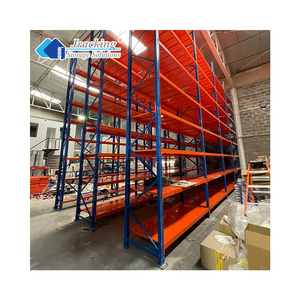
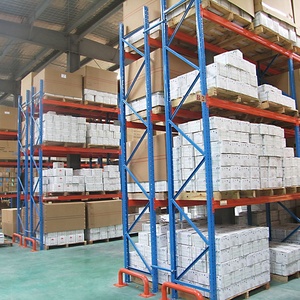
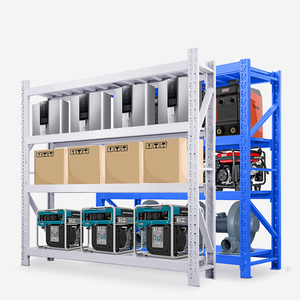
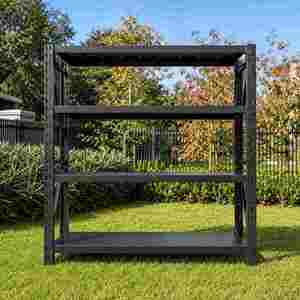
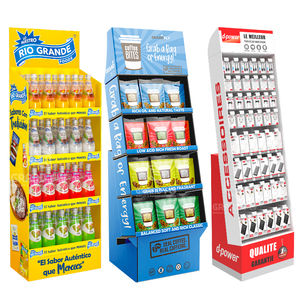
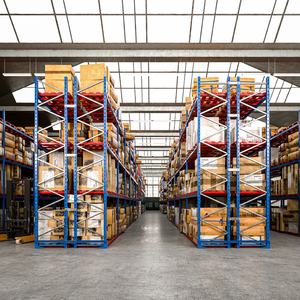
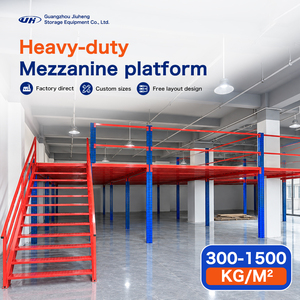
Automotive Racking Logistics in Greater Nagoya: Engineering for JIT & Seismic Resilience
The Greater Nagoya metropolitan area, encompassing Aichi, Gifu, and Mie prefectures (the Chubu industrial corridor), stands as the supreme manufacturing engine of global automotive production. Hosting global giants, assembly flagships, and an intricate tier-network of over 10,000 component suppliers, the region handles millions of distinct SKUs daily. For an auto parts warehouse racking manufacturer and exporter serving Nagoya, structural pallet racking is not merely static steel shelving; it is an active node in a high-precision, synchronized JIT (Just-In-Time) and Kanban material distribution network.
Operating a warehouse facility around the Port of Nagoya, Komaki, Toyota City, or Kariya demands structural racking designs that solve three acute operational bottlenecks: severe floor area cost constraints, ultra-dense SKU variability ranging from fingernail-sized chips to 2,000kg transmission assemblies, and stringent Japanese seismic safety mandates under the Building Standards Act (Kenchiku Kijun-hō).
1. Localized Application Scenarios Across the Aichi Logistics Corridor
Racking systems deployed in the Nagoya zone are tailored precisely to intermediate manufacturing logistics and consolidated parts distribution:
Tier 1 Sequencing & Kitting Centers
Facilities positioned along the Tomei and Isewangan Expressways demand narrow-aisle (VNA) and flow racking systems designed for rapid sequence picking where chassis bolts, sensors, and steering gears are routed directly to vehicle assembly lines within 90-minute delivery windows.
Stamping Die & Heavy Powertrain Yards
Engine block machining and body press plants require reinforced structural beam profiles with multi-point hook connectors and heavy safety back-stops capable of handling 2,000kg to 4,000kg point loads without horizontal torque or metal fatigue.
Global CKD/CBU Export Hubs (Port of Nagoya)
High-cube double deep and radio shuttle systems situated within port logistics zones enable high-density container staging of Knock-Down (CKD) kits bound for assembly plants in Southeast Asia, North America, and Europe.
2. Regional Automotive Trends Reshaping Storage Engineering in Nagoya
The structural demands on automotive racking in Central Japan are experiencing three massive shifts driven by technological transformation:
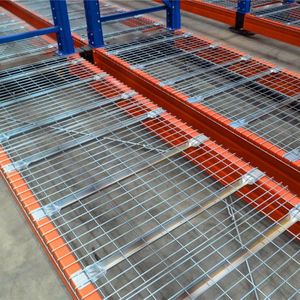
The EV Powertrain Transition: The migration toward Electric Vehicles has dramatically shifted weight distributions. EV battery packs weigh between 400kg and 750kg each and present unique chemical and fire containment profiles. Warehouses across Toyota City and Kariya are rapidly replacing standard racking with heavy-duty structural steel systems outfitted with fire-isolated flue spaces, galvanized wire mesh decks to accommodate bottom-mounted battery coolers, and dedicated seismic base-isolation plates.
Automation, AGVs, and AS/RS Integration: Chronic demographic contraction in Japan has created acute warehouse labor shortages. Nagoya logistics hubs are retrofitting existing manual selective racking with automated guided vehicle (AGV) floor interfaces, laser-aligned pick-to-light profiles, and precision automated storage and retrieval system (AS/RS) tolerances that ensure sub-millimeter beam deflection under continuous 24/7 robotic duty cycles.
Seismic Structural Safeguards (Nankai Trough Preparedness): Aichi Prefecture is within the high-vigilance zone for the anticipated Nankai Trough megaquake. As a result, Nagoya warehouse managers refuse standard international racking that lacks verified cyclic fatigue testing. Uprights must feature increased steel tensile strength (Q235B to Q355B equivalent to JIS G3101 SS400), enlarged 10mm-12mm footplates anchored with heavy chemical expansion studs, and cross-bay dynamic seismic bracing calculated to resist lateral ground accelerations exceeding 0.4g.
Automotive Racking Engineering Specification Matrix
The following engineering parameters highlight how our racking lines comply with standard industrial warehouse profiles across Japan:
| Racking Architecture | Standard Load Rating | Pallet Compatibility | Seismic Resistance Rating | Primary Automotive Application |
|---|---|---|---|---|
| Selective Heavy-Duty Rack | 1,000 – 4,000 kg / beam level | JIS T11 (1,100 × 1,100mm) / Euro | Base acceleration up to 0.45g | Direct-access JIT Sequencing & Assembly Buffer |
| Double Deep Storage System | 1,500 – 3,000 kg / bay level | Standard JIS Box Pallets & Stillage | Reinforced spine cross-bracing | Stamping parts, cast aluminum housings, radiators |
| Rack-Supported Mezzanine | 300 – 1,000 kg / m² deck load | Cartons, KLT containers, tote boxes | Integrated portal sway-frames | Small parts picking, wiring harnesses, ECU modules |
| Semi-Automated Radio Shuttle | 500 – 1,500 kg / carrier pallet | JIS Plastic & Steel pallets | Self-locking guided rail structure | High-density export packaging at Port of Nagoya |
3. Direct Manufacturer Authority & Export Quality Control
Sourcing directly from our 30,000 m² heavy industrial production base delivers institutional-grade quality with major landed cost savings for Nagoya operations. Operating since 2001, our facility processes over 30,000 tons of structural steel per month through an end-to-end 10-step precision workflow:
All upright columns undergo automatic continuous cold-roll forming, cold-punching on high-speed CNC lines, and sub-millimeter robotic welding of beam end connectors. Prior to powder application, our structural steel undergoes an industrial 8-stage acid pickling, rinsing, and zinc phosphating pre-treatment. This ensures unmatched film adhesion and anti-corrosion resilience, exceeding ISO 9227 salt spray standards—crucial for coastal storage installations near Ise Bay and Nagoya Harbor where maritime moisture degrades lower-quality finishes.
Certified Quality
CE No. 2435-CPR-8605159, ISO 9001:2015, and verified steel tensile certifications provided per heat.
Direct Nansha-Nagoya Routing
Direct ocean freight dispatch from Guangzhou/Nansha arriving at Port of Nagoya within 4 to 7 sailing days.
JIS Pallet Calibration
Frame depths (1,000mm & 1,100mm) engineered for Japanese standard JIS T11 plastic and wooden pallets.
Free 3D & CAD Layouts
In-house structural engineers return full AutoCAD floorplans, 3D renderings, and load tables within 24 hours.
Container Optimization
Engineered bundle nesting maximizes 40HQ container load volume, drastically slashing sea freight per pallet position.
Frequently Asked Questions: Auto Parts Racking in Nagoya
Direct technical answers addressing structural certification, custom pallet fitment, ocean transit, and assembly supervision.