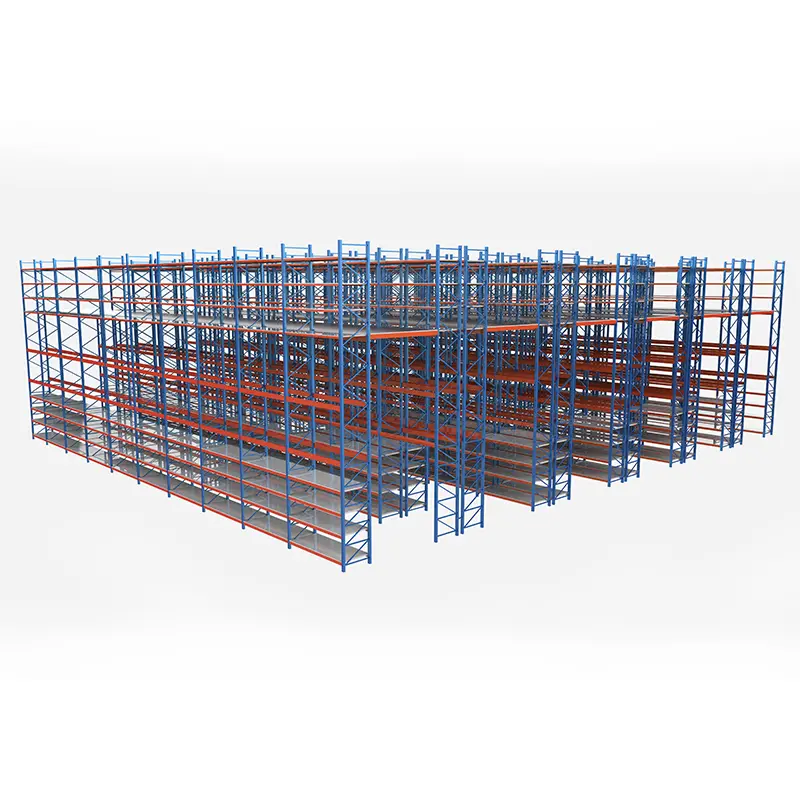
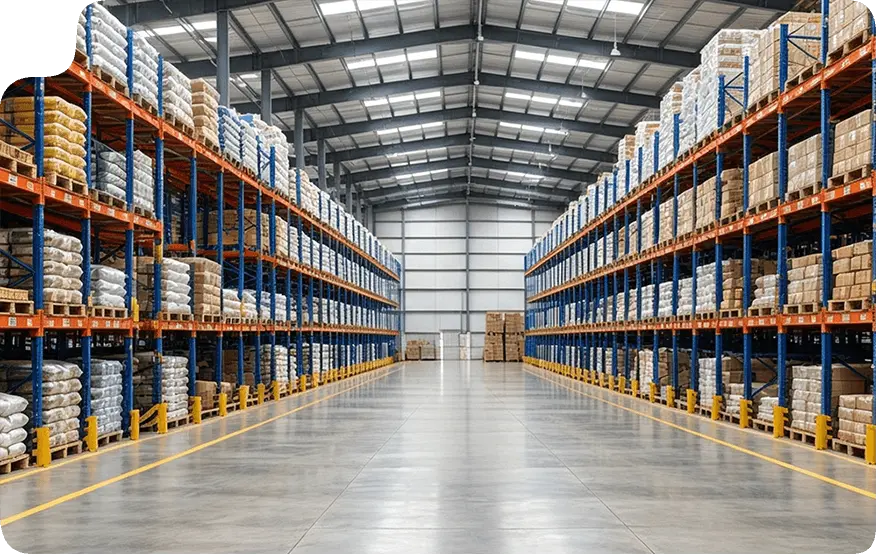
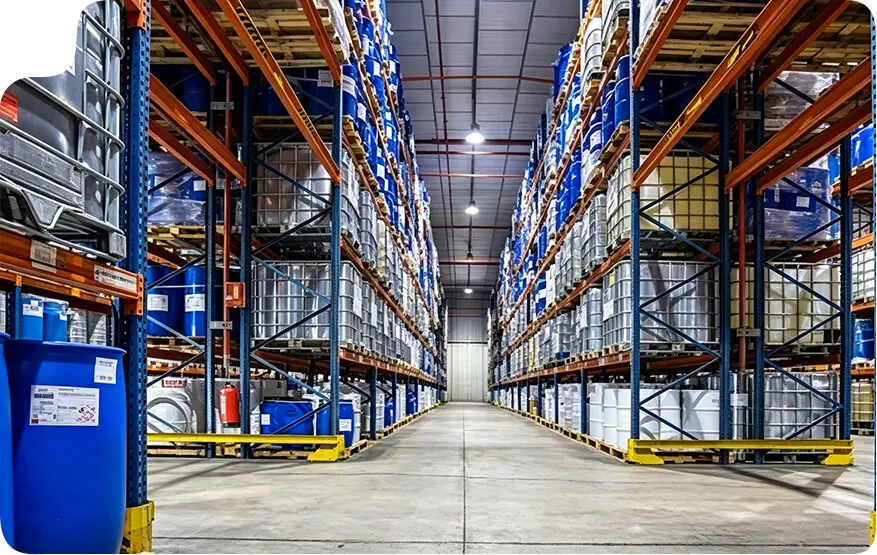
Tested Cryogenic ToughnessCharpy V-Notch certified at -40°C
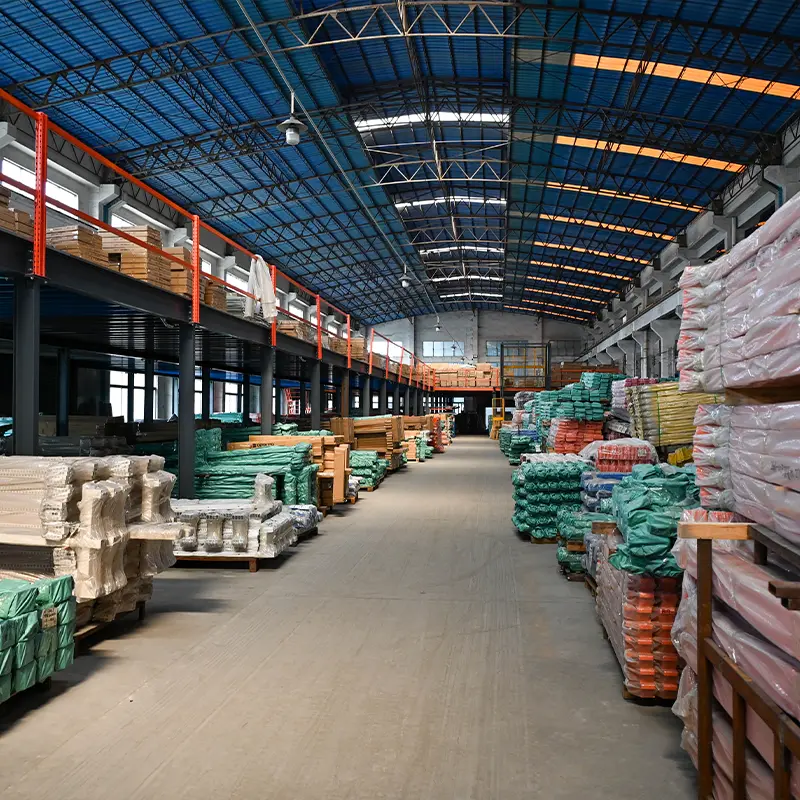
Direct Factory DeliveryGlobal sea routes from Guangzhou
30,000 m² Manufacturing30,000 t monthly cold storage steel
Free Cold Room EngineeringVolumetric density & CFD air clearance
Engineering Whitepaper & Buyer's Strategy
What Makes Cold Storage Pallet Racking Structurally Unique? Overcoming the Physics of Cryogenic Warehousing
A deep freeze facility (-18°C to -40°C) is arguably the most demanding operational environment in modern logistics. Every cubic meter costs three to five times more in electrical energy than ambient storage. Specifying racking based merely on ambient standards frequently triggers catastrophic brittle fractures, early coating delamination, and staggering power bills.
Guangzhou Heda Shelves Co., Ltd. approaches cold storage pallet racking through the lens of structural thermodynamics and steel metallurgy. When temperatures plummet below zero, carbon steel experiences the well-documented ductile-to-brittle transition. Microscopic dislocations within the steel crystalline lattice lock up, reducing shear ductility. Under normal ambient conditions, a mild forklift nudge causes localized plastic deformation; in deep freeze conditions, uncertified steel subjected to the same dynamic load will shatter instantaneously like glass.
To eliminate this existential safety risk, our engineering team utilizes high-toughness steel grades (such as Q355D and Q355E, with EN equivalent S355NL/ML) that undergo rigorous Charpy V-notch impact testing at -20°C and -40°C, absorbing a minimum of 27–34 Joules of impact energy at cryogenic thresholds. Furthermore, we calculate cold slab floor shrinkage, frost-heave forces, and thermal barrier decoupling between base plates and the refrigerated subfloor.
Condensation Corrosion Barrier: Dual-layer anti-corrosion finishes (Hot-Dip Galvanized per ISO 1461 or low-bake elastomeric powder coating).
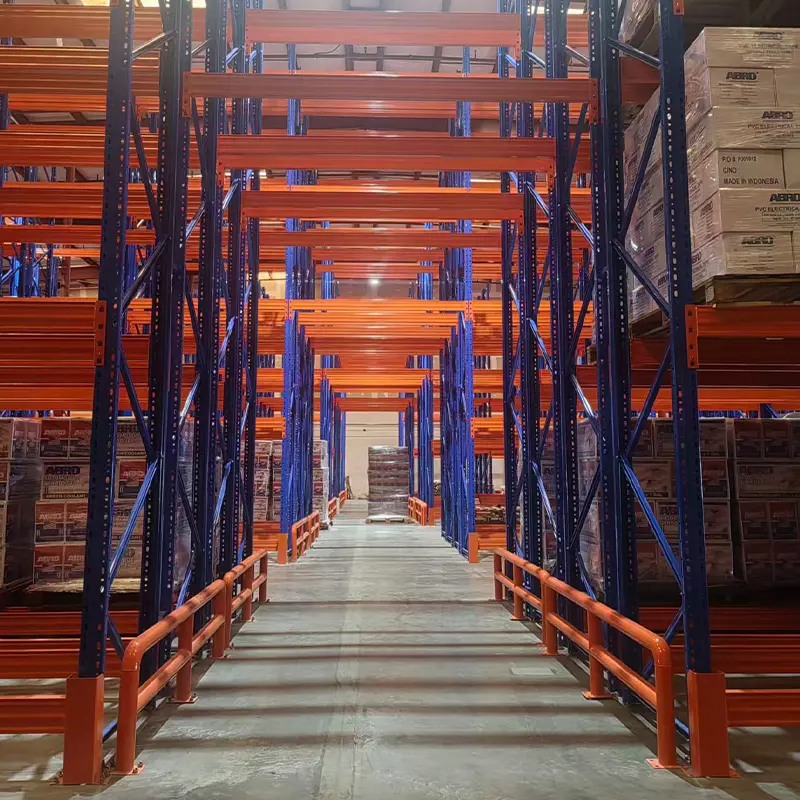
Thermodynamic Air Channeling: Customized beam elevation clearances calculated to ensure unrestricted convective cold air throw from ceiling evaporators.
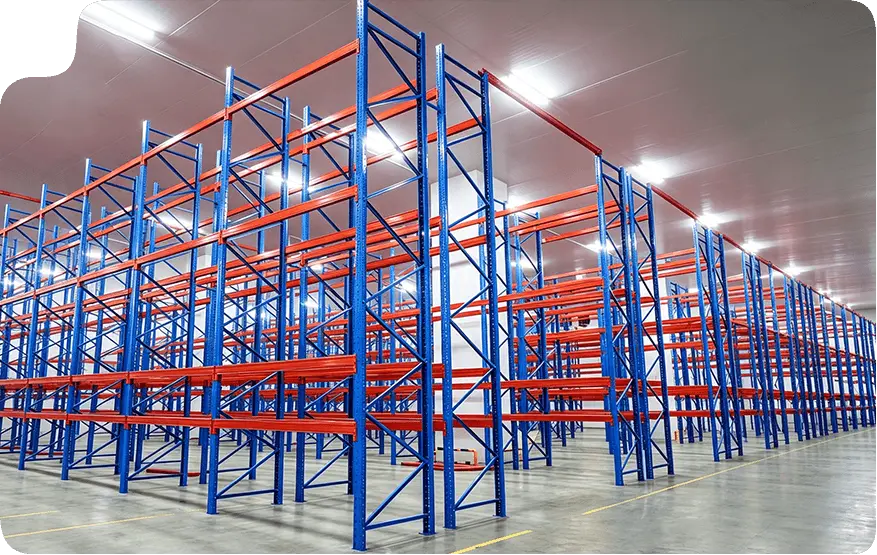
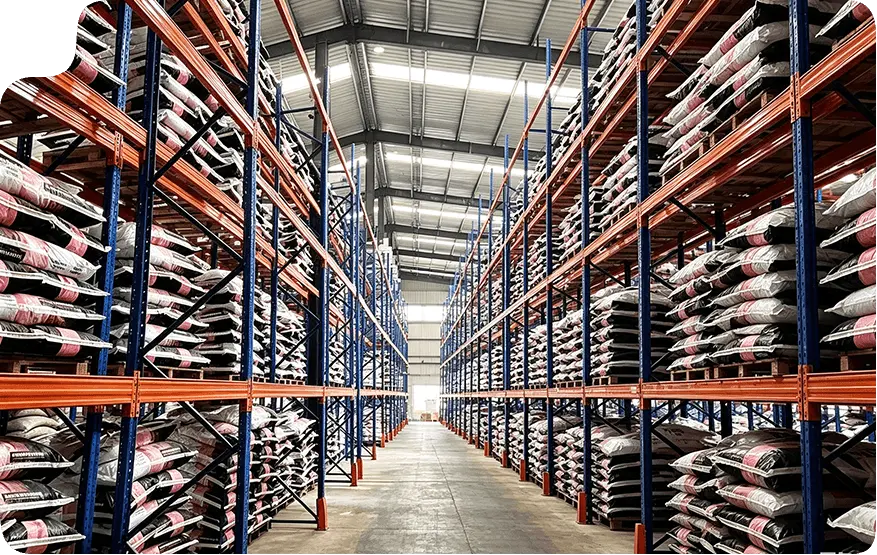
Selecting the ideal racking architecture requires balancing inventory selectivity, SKU velocity, and thermal cubic efficiency. Below are the five industry-benchmark systems engineered by Guangzhou Heda Shelves Co., Ltd.
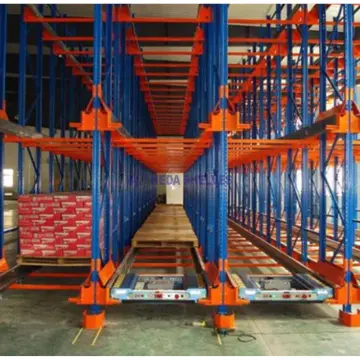
Autonomous motorized carriers travel along sub-zero guide rails. Forklifts remain at the aisle face, eliminating vehicle entry into narrow freezing channels, slashing cycle times and preserving cold air envelopes.
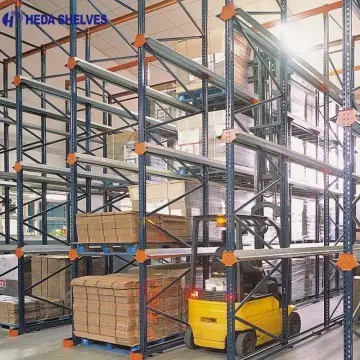
Optimized for homogeneous blast-frozen products such as seafood blocks, poultry, and bulk ice cream. Eliminates intermediate access aisles to compress storage density into a consolidated cold cube.
Continuous RailsReinforced Arms75% Density
Drive-In Cold Racks
100% Access
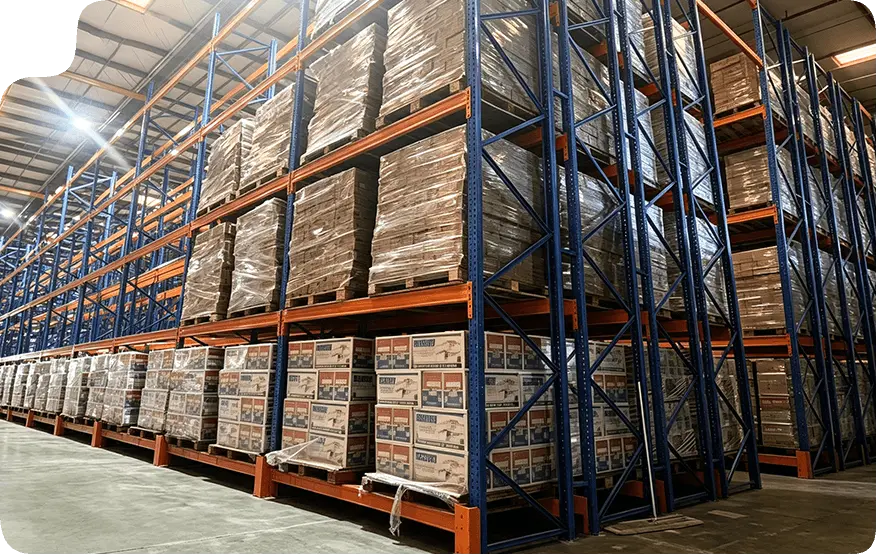
Essential for cold-chain distribution centers managing rapid-turnover SKUs, mixed pharmaceutical crates, and fresh retail distribution. Compatible with all counterbalanced and reach trucks.
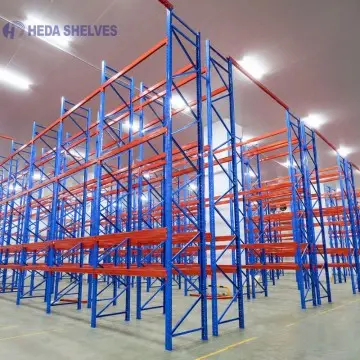
Direct SelectivityCustom Beam PitchQ355 Steels
Selective Cold Racks
Cart Density
Nested rolling carts on inclined steel rails allow 2 to 6 pallets deep per lane. Gravity feeds forward pallets upon pick face evacuation, eliminating forklift intrusion while providing individual SKU lane access.
With cold chain energy inflation, soaring urban land costs, and decarbonization mandates, global procurement directors must anticipate how cold store racking architecture is transforming over the next decade.
01
Rise of "Dark" Cold Stores
Sub-zero labor shortages are accelerating unmanned "lights-out" cold stores. Procurement is pivoting from static manual racks to rack-clad AS/RS and 4-way sub-zero shuttle matrices where no human or combustion equipment ever enters.
02
Thermodynamic CFD Racking Design
Procurement bids now require Computational Fluid Dynamics (CFD) modeling. Racking uprights and flue clearances must be engineered precisely around evaporator throw distances to prevent frost micro-climates and thermal hot-spots.
03
Hybrid Metallurgical Coatings
Traditional zinc cold galvanizing is being superseded by hot-dip continuous batch galvanization (HDG) coupled with epoxy-polyester primers that resist aggressive industrial glycol washing chemicals and high moisture defrost cycles.
04
Modular Multi-Temperature Flexibility
As 3PL cold facilities handle fluctuating agricultural harvests and pharmaceutical campaigns, racking frames are specified with interchangeable bolt-free beam configurations capable of switching from chill (+4°C) to deep blast (-40°C).
Operational Applications
Tailored Solutions for Temperature-Controlled Sectors
From frozen tuna and shrimp processing in coastal ports to blast-frozen vaccine vaults and pharmaceutical logistics, discover how Guangzhou Heda Shelves Co., Ltd. configures cold storage infrastructure.
Challenge: High energy consumption at -25°C & forklift battery drain
Meat, Poultry & Blast Cold Stores
Industrial meat and frozen poultry operations face rapid forklift battery depletion and condensation fogging in interior lanes. Radio shuttle systems remove the driver from the deep freeze entirely.
Hot-dip galvanized runners and entry guides resist heavy washdowns
Semi-automatic shuttle carts with internal heating components
Challenge: High coastal humidity, brine exposure & condensation
Fisheries, Seafood & Agriculture
Seafood processing plants along port zones present severe salinity and high moisture conditions when warm ocean air mixes with refrigerated chambers during loading.
Challenge: GDP compliance, cleanroom purity & zero contamination
Pharmaceutical & Vaccine Cold Rooms
Bio-pharmaceutical storage (-20°C to -80°C vaults) requires non-shedding, anti-microbial surfaces compliant with Good Distribution Practices (GDP) and FDA cleanliness rules.
Smooth, non-porous powder coating resisting medical cleaning agents
Why Global Procurement Trusts Guangzhou Heda Shelves Co., Ltd. for Cold Chain Projects
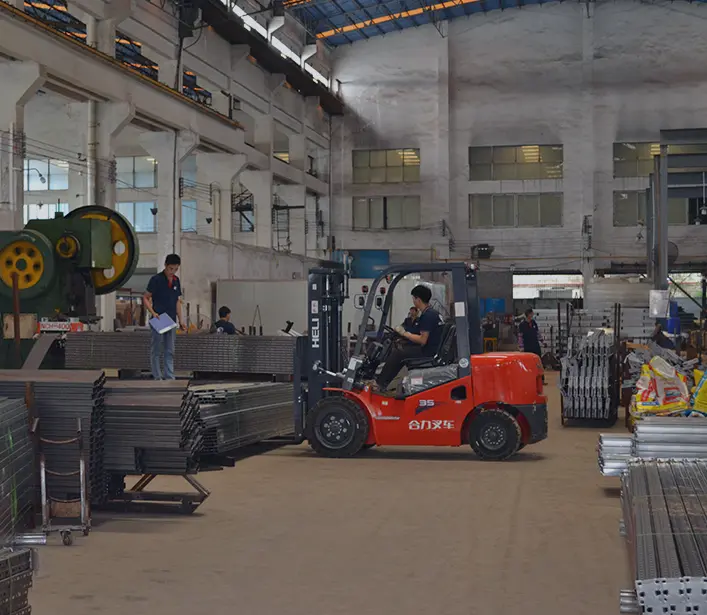
Guangzhou Heda Shelves Co., Ltd. has been at the forefront of industrial racking engineering since 2001. Supplying demanding cold store operators across Southeast Asia, North America, the Middle East, and Europe, our integrated 30,000 m² Guangzhou production facility delivers uncompromising structural integrity.
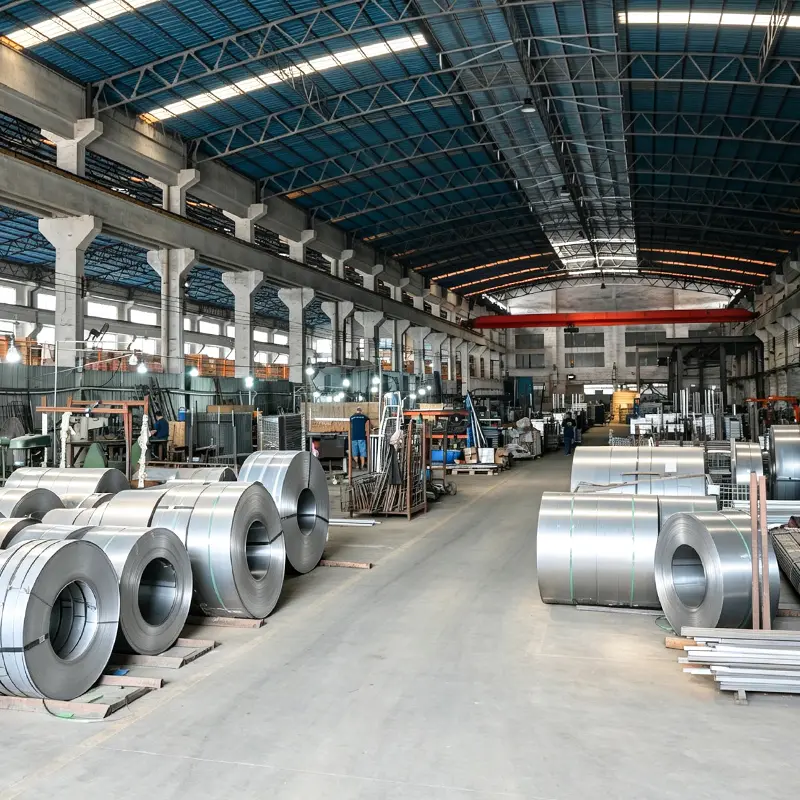
Unlike trading intermediaries, we control the metallurgical chemistry, roll-forming tolerances, automated welding, and surface treatment in-house. With 300+ skilled engineers and shop technicians, we manufacture over 30,000 metric tons of racking every month, providing factory-direct pricing, certified load engineering, and turnkey global logistical support.
20+ Years Cold Storage Expertise: Over 10,000 completed heavy-duty warehouse projects globally.
10 Rigorous Stages of Cold Storage Racking Fabrication
Cryogenic performance cannot be inspected into a rack after completion; it must be built into every coil, punch, bend, and weld at our Guangzhou facility.
01
Certified Coils
02
Precision Slit
03
CNC Punching
04
Cold Forming
05
Profile Rolling
06
Shot Blasting
07
Robot Welding
08
Phosphating
09
Powder Coating
10
QC & Packing
Third-Party Verification
International Certifications You Can Audit Directly
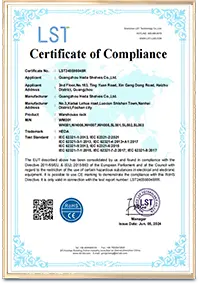
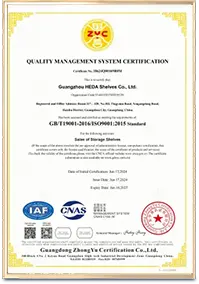
Tenders for commercial cold storage facilities demand documented structural compliance. Guangzhou Heda Shelves Co., Ltd. holds fully verifiable certifications for global regulatory approvals:
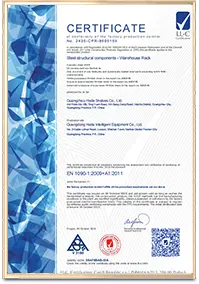
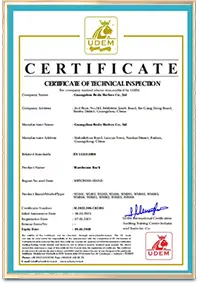
CE Certification (EN 15512 Racking Standard)Certificate No. 2435-CPR-8605159
ISO 9001:2015 Quality ManagementRegistration No. 18624Q00169R0M
RoHS Environmental ComplianceLead-free, non-toxic heavy duty finishes
Standard commercial carbon steel (such as generic Q235B) reaches its ductile-to-brittle transition point between -10°C and -20°C. Below this threshold, uncertified steel exhibits high notch sensitivity and can fracture suddenly under dynamic impact from a forklift or falling pallet. For installations operating down to -40°C, Guangzhou Heda Shelves Co., Ltd. specifies high-strength low-alloy structural steels (such as Q355D or Q355E, conforming to EN 10025-3/4 S355NL/ML). These grades undergo verified Charpy V-Notch impact testing to guarantee a minimum impact energy absorption of 27–34 Joules at sub-zero temperatures, ensuring the rack deforms plastically rather than shattering under stress.
Commercial freezers consume huge amounts of power maintaining cubic refrigerated volume. Traditional selective racking wastes approximately 55% of that volume on open forklift travel aisles. By upgrading to a high-density system like Radio Shuttle Racking or Drive-In Racking, volumetric utilization increases from 40% to 80-85%. This allows an operator to store twice as many pallet positions within the identical refrigerated building footprint, cutting the refrigeration kilowatt consumption per pallet stored by up to 50%.
The choice depends on humidity, defrost frequency, and thermal shock. For stable deep-freeze rooms (-18°C to -30°C) with low relative moisture, an electrostatic powder coating over an iron-phosphate or zinc-rich primer provides an economical, durable finish. However, for blast freezers, staging ante-rooms, or coastal warehouses subject to high moisture condensation and washdowns, Hot-Dip Galvanizing (HDG per ISO 1461) is strongly recommended. HDG chemically alloys zinc with the steel substrate, creating a scratch-resistant barrier that will not flake or peel when subjected to extreme temperature swings.
Sub-zero floors contract and experience microscopic cyclic thermal expansion, which can loosen standard expansion anchors over time. Additionally, improper floor insulation can lead to frost heaving in the sub-base. Guangzhou Heda Shelves Co., Ltd. engineers widened, thickened floor base plates with heavy-duty structural anchoring patterns. We specify mechanical wedge anchors with cryogenic steel ratings or specialized chemical resin capsules that cure reliably in freezing temperatures, combined with thermal isolation spacers beneath base plates where required.
This is strongly discouraged by international safety standards (such as EN 15512, RMI, and FEM 10.2.02). Ambient racking typically utilizes standard commercial steel without low-temperature Charpy toughness certifications, and standard powder coatings will quickly chip and rust when exposed to moisture condensation cycles. Moving ambient racking into a cold room without professional metallurgical and structural recalculation exposes warehouse operators to severe liability, brittle failure risks, and shortened equipment life.
Operating directly from Guangzhou, we provide comprehensive turnkey engineering: you supply your architectural floor plans, building clear heights, and pallet specifications, and our engineering team returns a full 2D CAD layout, 3D rendering, and seismic calculation free of charge. We load ocean containers directly from our factory with seaworthy steel banding. Sea freight port-to-port transit is typically 3–7 days to Southeast Asian hubs (Singapore, Manila, Bangkok, Ho Chi Minh), 14–20 days to the Middle East, and 25–35 days to European and American ports under FOB, CIF, or DDP incoterms.
"Sub-zero storage requires zero compromises on steel toughness and thermal density."Guangzhou Heda Shelves Co., Ltd. Cold Chain Engineering Division
Direct Factory Proposal
Request a Cold Storage Racking Proposal
Provide your cold room dimensions, pallet profile, and target operating temperature. Our engineers will calculate the optimal cubic storage density and provide structural drawings.
 01
01