Engineered Heavy-Duty Racking Systems
Precision cold-rolled Q235B/Q355B high-tensile structural steel profiles manufactured under strict ISO 9001:2015 and CE EN 15512 specifications. Designed to maximize cubic capacity while maintaining seismic integrity and dynamic loading resistance across international supply chains.
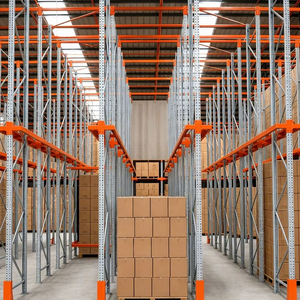 High Density
Industrial Heavy Duty Drive in Rack High Density Storage System for Warehouse
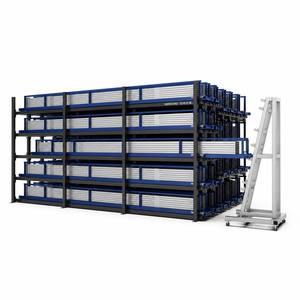 CE Certified
Industrial Heavy Duty Customizable Honeycomb Modular Plug Profile Long Material 3000kg Roll Steel Pipe Storage Rack CE Certified
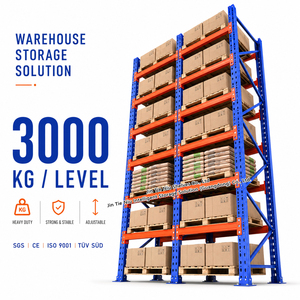 Multi-Level
7 Loading Levels 3000KG High Load Warehouse Pallet Rack Heavy Duty Industrial Storage Shelf
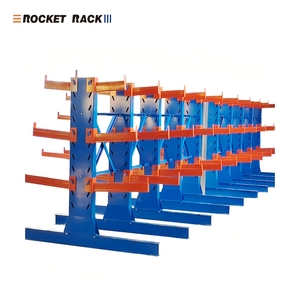 Long Goods
Rocket Rack Industrial Warehouse Shelves Rack CE Certified Heavy-Duty Cantilever Racking System for Metal Profile Storage
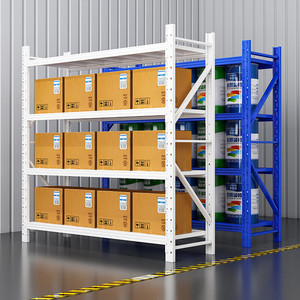 High Capacity
Heavy Duty Warehouse Rack Industrial Storage Shelving with High Load Capacity
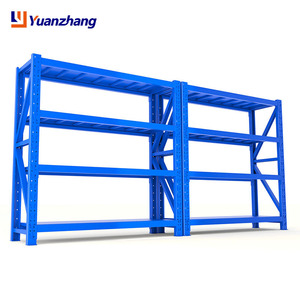 Engineered OEM
Custom Heavy-Duty Metal Rack Storage Shelf High Quality Iron Warehouse Racking Cargo Storage Equipment
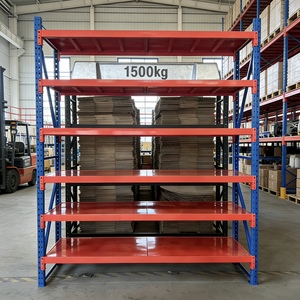 Anti-Corrosion
Heavy-Duty Durable Steel 3 Layer Industrial Pallet Racks Adjustable Bolt Structure Powder Coated Corrosion Protection
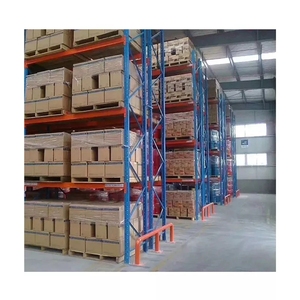 Wholesale Supply
Wholesale Shelves Warehouse Rack Industrial Pallet Racking Heavy Duty Shelves For Storage
Engineering Verification & Load Integrity Standards
Procuring industrial storage infrastructure requires strict structural calculations that balance dead weight, pallet dynamic shock loads, seismic zone displacement, and environmental oxidation risks. Our manufacturing lines align with internationally ratified design codes.
FEA Structural Modeling & SEMA Compliance
Every bay design is modeled under Finite Element Analysis (FEA) to simulate ultimate limit state (ULS) and serviceability limit state (SLS) conditions. In full compliance with SEMA, RMI, and EN 15512 codes, our upright posts incorporate omega-profile ribbing that disperses compressive stress while resisting accidental forklift impact torques.
10-Step Anti-Corrosion Finishing Process
To withstand extreme humidity, chemical vapors, and sub-zero cold chain cycling (-30°C), our steel components pass through a proprietary 10-stage pre-treatment line. This includes ultrasonic degreasing, acid pickling, nano-ceramic phosphating, and automated electrostatic polyester powder baking at 200°C for superior adhesion.
Seismic Anchoring & Safety Factors
Operating across tectonic fault lines in regions such as the Pacific Rim requires dynamic seismic bracing configurations. We engineer custom baseplate gauge thicknesses, high-tensile Hilti/chemical anchoring studs, and calibrated portal bracing to ensure frame integrity during lateral seismic ground acceleration (PGA > 0.4g).
Future Procurement & Technological Trends (2025-2030)
Supply chain executives are shifting from commoditized racking purchases to integrated automation compatibility, total lifecycle durability, and rapid modular scalability. Key structural paradigms dominating global procurement tenders include:
ASRS & Radio Shuttle Interoperability
High-density warehousing is quickly abandoning manual drive-in lanes in favor of automated shuttle carrier systems and automated storage and retrieval systems (ASRS). Modern heavy-duty racking must be rolled with sub-millimeter manufacturing tolerances (deviation ≤ ±0.5mm per 10m height) to guarantee continuous optical sensor guidance for automated cranes and automated guided vehicles (AGVs).
- Integrated multi-directional running rails for high-speed robotic shuttles.
- Optimized picking channels facilitating 24/7 dark-store operation.
- Significant reduction in accidental forklift mast structural collisions.
Decarbonized Steel & Sensorized Health Monitoring
Global corporations face rigorous Scope 3 emissions reporting. Steel racking procurement increasingly mandates Environmental Product Declarations (EPDs) and low-carbon recycling protocols. Simultaneously, IoT-enabled stress sensors and optical deflector sensors are becoming standard specifications on bottom-tier uprights to detect micro-strain shifts before catastrophic rack collapse occurs.
- Recycled high-yield steel coils reducing embodied carbon footprints.
- Real-time telemetry measuring beam deflection and eccentric pallet weights.
- Hot-dip galvanized finishes replacing toxic sprays in refrigerated facilities.
Guangzhou HEDA Shelves: Engineered Reliability Since 2001
Backing every warehouse conversion is an engineering facility equipped with automated roll-forming lines, robotic CNC welding cells, and dedicated structural testing laboratories. We deliver complete turn-key solutions from preliminary concept CAD schematics to full onsite commissioning.
Heavy Duty Industrial Racks FAQ
Answers to technical, logistical, and structural questions commonly reviewed during warehouse storage procurement tenders.
How do you calculate the beam capacity and safety factor for heavy industrial racks?
Beam load capacity is determined based on uniformly distributed loads (UDL) in accordance with EN 15512 and SEMA standards. The calculation enforces a minimum safety factor of 1.5 against yield point failure. Furthermore, the maximum vertical beam deflection under full rated capacity must not exceed L/200 (where L is the clear span distance between uprights).
What surface finish is recommended for outdoor yards or sub-zero cold chain facilities?
For standard temperature-controlled warehouses, high-adhesion electrostatic thermosetting epoxy polyester powder coating (60-80 microns thickness) provides superior chemical and scratch resistance. For outdoor marine applications, high humidity ports, or freezing rooms (-20°C to -30°C), hot-dip galvanization (HDG, conforming to ISO 1461 with zinc thickness ≥ 65-85 microns) is mandated to prevent galvanic oxidation.
Can your racking systems be installed in high-risk seismic zones?
Yes. Our engineering department executes customized dynamic structural simulations using geotechnical site acceleration factors (PGA values). Based on these values, we incorporate heavy-duty baseplates with dual floor anchor patterns, reinforced diagonal portal cross-bracing, and expanded column cross-sections to dissipate seismic energy.
What crucial warehouse parameters are required to receive a detailed layout quotation?
To produce an optimized CAD proposal and load calculation sheet, we need your architectural CAD drawings (including clear ceiling heights, column grids, slab load capacity, and fire sprinkler clearances), pallet dimensions (W × D × H including overhang), maximum gross pallet weight, and the turning radius/mast lift height of your material handling equipment.
Transform Your Warehouse Floor Into High-Density Vertical Storage
Consult with our senior logistics application engineers today. Receive a zero-cost layout optimization study, technical load capacity validation, and competitive direct-factory supply proposal.
Contact Us