Engineered Warehouse Racking & OEM Shelving Systems
Direct-from-factory certified shelving modules engineered for heavy-duty load parameters, seismic zones, and custom logistical environments.
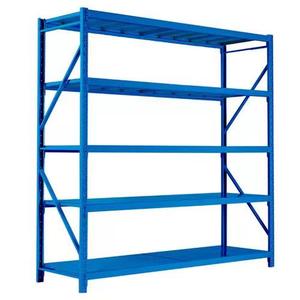
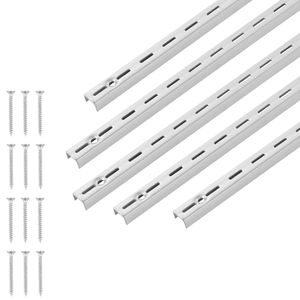
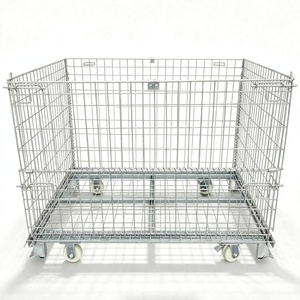
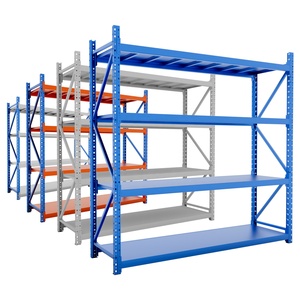
2001
Year Established30,000+
Square Meter Factory30,000 t
Monthly Steel Production10,000+
Global InstallationsEngineering Specifications & Structural Architecture of OEM Pallet Racking
A Comprehensive Industry Whitepaper on Cold-Formed Steel Racks, Finite Element Analysis (FEA), and Load Deflection Mechanics
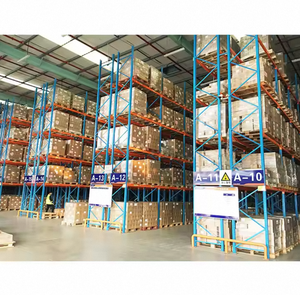
In modern industrial logistics, specifying custom OEM shelves for pallet racking factories and supplier networks involves structural safety, material yield capacity, and geometric precision. Pallet racking frames are load-bearing steel skeletons operating under high dynamic stress. The mechanical performance of racking uprights, load beams, wire decks, and structural shelves relies directly on structural grade raw materials—predominantly Q235B and Q355B cold-rolled structural carbon steel. Under EN 15512, RMI (Rack Manufacturers Institute) MH16.1, and AS4084 engineering standards, the cross-sectional geometry of cold-formed open profiles must maintain a balanced ratio between mass and section modulus to resist global torsional buckling, distortional buckling, and flexural failure.
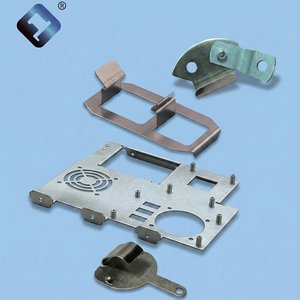
Precision roll-forming remains the baseline of structural integrity. Upright column tooling dictates whether punch profiles—such as teardrop, keyhole, or diamond-slot systems—induce localized residual micro-fractures during punching cycles. High-precision progressive mechanical stamping ensures consistent pitch distances (typically 50mm, 75mm, or 76.2mm intervals) without compromising structural boundaries. Additionally, beam connectors utilize precision-cast 3-pin or 4-pin integral brackets with automatic lock pins designed to prevent accidental disengagement during high-velocity forklift operations. Structural yield tolerances must adhere to strict limit states, preventing structural deflection exceeding L/200 of clear beam spans under safe working limits (SWL).
Surface chemistry preparation controls lifespan in extreme environments, such as ambient-to-freezer sub-zero storage (-30°C) or hyper-humid coastal distribution hubs. Raw steel passes through an intensive 10-stage pre-treatment regimen consisting of hot alkaline degreasing, multi-stage acid pickling, surface conditioning, and zinc phosphating before coating. This crystalline chemical conversion layer prevents sub-film oxidation and moisture ingress. Electrostatic deposition of pure thermosetting polyester or epoxy powder coatings (average dry film thickness of 60–90 microns) delivers impact resilience, mechanical adhesion, and chemical resistance compliant with ISO 9227 salt spray tests exceeding 500 hours.
Future Procurement Trends in Industrial Racking Ecosystems
Critical market shifts guiding engineering design, material selection, and warehouse automation integration through 2030.
Automation & ASRS Compatibility
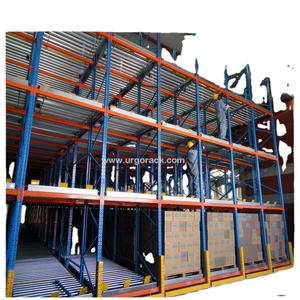
Procurement is shifting rapidly from standard manual wide-aisle pallet shelving toward ultra-narrow aisle (VNA) and automated storage and retrieval system (ASRS) racking. Deflection tolerances under ASRS loads are tightened from L/200 down to L/400, demanding computerized continuous seam welding, automated column roll forming, and robotic frame alignment to guarantee sub-millimeter tolerances for automated crane shuttles.
Seismic Resilience & Ductility
Global supply chains now enforce non-linear static pushover and dynamic response spectrum structural calculations. Racking footprints destined for earthquake-prone geographies, including the Pacific Rim, Indonesia, and the Philippines, require ductile steel chemistries capable of seismic plastic hinge deformation without catastrophic brittle rupture, reinforced base-plates, and engineered floor anchor systems.
Circular Metallurgy & Carbon Footprints
Enterprise procurement teams increasingly verify Environmental Product Declarations (EPD). Tier-1 manufacturers utilize Electric Arc Furnace (EAF) primary coils with guaranteed recycled steel ratios. Closed-loop, solvent-free powder recovery reclaim booths minimize environmental emissions while preserving mechanical yield strength and powder application quality across high-volume production runs.
Manufacturing Infrastructure & Technical Capabilities
Comprehensive vertical integration: From raw steel coils to custom structural racking solutions engineered for multinational distributors.
✓
End-to-End Vertical Control (10 Processing Steps)
Our 30,000 m² facility features in-house precision steel uncoiling, multi-station automated column punch lines, CNC-controlled cold profile bending, robotic beam welding, acid pickling, and electrostatic powder coating lines.
✓
Certified Quality Systems (CE & ISO 9001:2015)
Our structural production lines carry third-party CE structural certification (Certificate No. 2435-CPR-8605159), ISO 9001:2015 Quality Management certification (No. 18624Q00169R0M), and RoHS environmental compliance verifications.
✓
Advanced Engineering & Free 3D/CAD Proposals
We provide full FEA structural simulation, clear height space optimization, aisle capacity modeling, and free architectural CAD and 3D warehouse layout plans within 24 to 48 hours to streamline your procurement cycle.
✓
Direct Port Logistics & Fast Lead Times
Located in Guangzhou adjacent to major Nansha/Shenzhen ports, shipments reach Southeast Asian and global hubs efficiently (2–5 days to Vietnam, 3–5 days to Manila, 5–7 days to Singapore/Thailand) with container loading optimization.
Frequently Asked Questions for Project Procurement
Technical guidance addressing engineering calculations, international standards, surface anti-corrosion, and structural safety.
What structural data is required to engineer a custom OEM racking proposal?
To produce an accurate engineering design, our technical team requires: warehouse architectural drawings (showing clear ceiling heights, column locations, concrete slab thickness/reinforcement), pallet dimensions (Width x Depth x Height including cargo overhang), gross weight per pallet, lift equipment specs (turning radius, maximum mast reach), and any regional seismic parameters.
How does the pre-treatment cycle resist corrosion in high-humidity or cold-chain facilities?
Unlike basic wipe-down degreasing, all our structural steel components undergo continuous acid pickling to eliminate mill scale and rust, followed by a crystalline zinc phosphating rinse. This chemical conversion process creates micro-pores that bond mechanically with thermosetting powder paint, preventing delamination and edge corrosion even under high condensation cycles.
Can racking framing be configured to comply with European or American building standards?
Yes. Structural designs can be calculated and manufactured to align with EN 15512 (European standard for adjustable pallet racking systems), ANSI/RMI MH16.1 (Specification for Industrial Steel Storage Racks), or Australian AS4084 regulations, backed by verifiable mill test reports, steel yield certificates, and factory structural deflection tests.
What are the standard tolerances for OEM drop-in shelf panels and pallet beams?
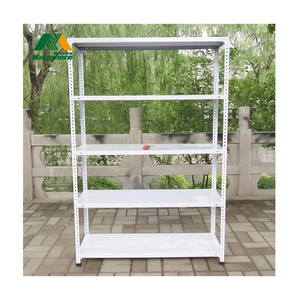
Our automated profile rolling lines hold transverse dimensional tolerances within ±0.5mm across beam profiles and punch pitch distances within ±0.2mm per 10 meters of upright length. Standard safe structural load capacity ratings factor in safety margins of 1.5 to 1.95 against structural yield failure.
Ready to Engineer Your Industrial Storage Project?
Consult directly with our engineering team to review site layouts, run structural capacity calculations, and receive a complete CAD drawing with factory-direct pricing for your warehouse.