0%

Choosing among China’s top Pallet Storage Racks manufacturers requires more than comparing prices. A reliable supplier must understand warehouse flow, load behavior, installation conditions, and long-term maintenance. The right rack system should support safe pallet access, efficient picking, and measurable space utilization. It should also match pallet dimensions, forklift turning space, ceiling height, and inventory movement.

John J. Bartholdi III, a respected warehouse design researcher, writes, “The purpose of a warehouse is to facilitate the movement of goods through the supply chain.” This principle remains practical when evaluating Chinese rack manufacturers. A strong factory should provide engineering drawings, load calculations, material specifications, surface treatment details, and clear installation guidance. Ask to inspect weld quality, upright profiles, beam connectors, and safety accessories. Small details matter. A loose connector can become a costly problem.

Manufacturing experience is important, but it is not the whole story. Some suppliers present impressive catalogs while offering weak after-sales support. That deserves attention. Buyers should review export records, quality certificates, testing procedures, reference projects, and response times. Visiting a production line can reveal more than polished photographs. Look for organized steel storage, controlled welding stations, powder-coating consistency, and traceable inspections.

This guide examines leading China Pallet Storage Racks manufacturers through practical criteria. It considers product quality, customization, certifications, production capacity, delivery reliability, and technical support. The ranking may not satisfy every buyer. Warehouse conditions differ. A cold-storage operator, an e-commerce distributor, and a heavy industrial plant need different solutions. Good judgment still matters.
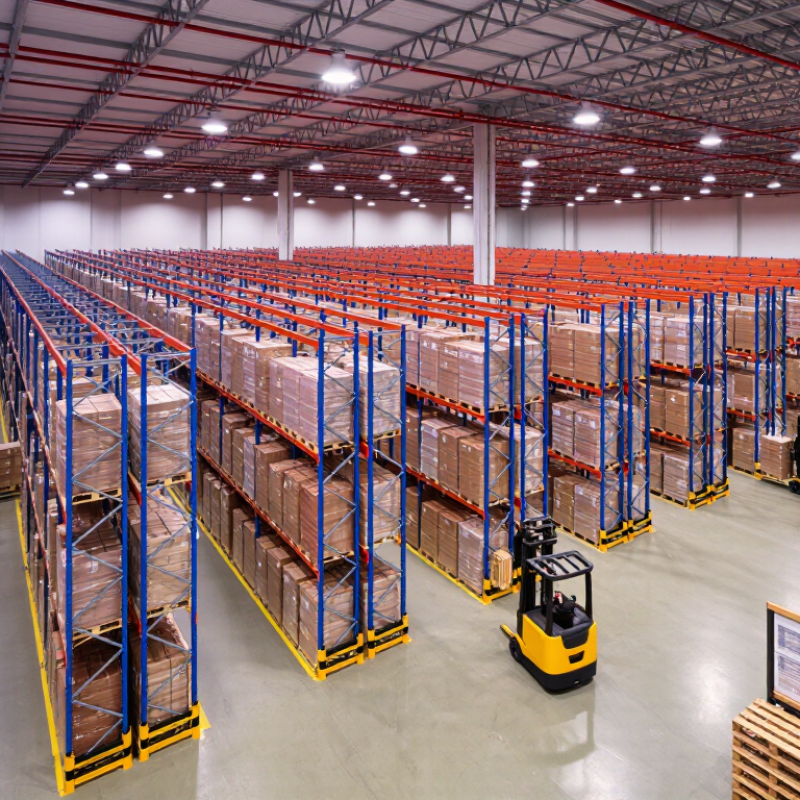
China Top Pallet Storage Racks Manufacturers?

China’s Top Pallet Storage Rack Manufacturers: Market Scope and Selection Criteria

China Top Pallet Storage Racks Manufacturers?

China’s pallet storage rack market serves factories, third-party logistics hubs, cold stores, and retail distribution centers. The China Federation of Logistics and Purchasing reported social logistics spending of approximately RMB 13.2 trillion in 2023. This scale supports continuing demand for denser and safer warehouse storage. Grand View Research valued the global pallet racking market at roughly US$9.5 billion in 2023. Its forecast also indicates steady growth through the decade. These figures show opportunity, but they do not prove that every Chinese supplier offers equal engineering quality.

Selection should begin with load data, pallet dimensions, aisle width, floor conditions, and seismic requirements. Ask manufacturers for stamped drawings, steel-grade certificates, weld inspection records, and tested beam capacities. EN 15512 and RMI design guidance provide useful technical benchmarks. Local compliance still matters. MHI’s 2024 Annual Industry Report found that many supply-chain operators were increasing technology investment, yet implementation risks remained significant. A rack system should therefore accept future scanners, conveyors, or shuttle equipment without forcing a costly rebuild.

Factory visits reveal practical details. Check powder-coating thickness, column-hole accuracy, packaging protection, and replacement-part availability. Request references from warehouses with similar loads and temperatures. A low quotation can hide thinner steel or weaker connections. It is easy to miss. Price comparison alone is not a reliable method. No checklist is perfect; buyers should review installation supervision, inspection procedures, warranty limits, and after-sales response times before signing.

How 2,000–5,000 kg Load Ratings Define Heavy-Duty Pallet Racks

China’s leading pallet rack manufacturers increasingly design systems for 2,000–5,000 kg loads per beam level. This range defines heavy-duty storage, but the number alone proves little. A 3,000 kg rating may apply to one beam pair, one bay, or a complete frame. Buyers must confirm the exact test condition.

The 2024 MHI Annual Industry Report identified workforce shortages as a continuing supply-chain concern. That pressure encourages higher-density storage and safer mechanical handling. However, dense racks need accurate engineering. Beam length, upright thickness, pallet placement, floor strength, and forklift impact protection all affect real capacity. EN 15635 and ANSI MH16.1-based inspections also require visible load notices and regular damage checks.

In practical use, a 2,000 kg level suits many palletized raw materials. A 5,000 kg level may support heavier metal parts, paper products, or industrial components. The load should remain evenly distributed, not concentrated on one pallet corner. A supplier should provide load tables, steel specifications, weld details, and inspection guidance. Independent testing data is useful.

Here is the uncomfortable part: some quotations present maximum capacity without explaining deflection limits or safety factors. That is not enough. The 2023 Global Warehousing Study by Interact Analysis reported continued warehouse automation investment, yet automation cannot correct weak rack design. Measure the actual pallet, forklift, slab, and operating speed before comparing Chinese manufacturers. Capacity labels can be persuasive, but engineering evidence matters more.

China Top Pallet Storage Racks Manufacturers? - How 2,000–5,000 kg Load Ratings Define Heavy-Duty Pallet Racks

Rack Load Class Typical Load per Beam Typical Bay Load Common Beam Profile Typical Upright Size Recommended Application Key Specification Check
2,000–2,500 kg 800–1,250 kg per beam level 2,000–5,000 kg per bay 80–100 mm box or step beam 80–100 mm face width; approximately 1.8–2.2 mm steel thickness General palletized goods, retail distribution, and light manufacturing storage Beam deflection, pallet type, clear height, and anchor arrangement
2,500–3,500 kg 1,000–1,750 kg per beam level 3,000–7,000 kg per bay 90–120 mm box or step beam with reinforced connectors 90–110 mm face width; approximately 2.0–2.5 mm steel thickness High-volume warehouses, automotive parts, machinery components, and building materials Upright frame capacity, connector engagement, bracing pattern, and floor slab strength
3,500–4,000 kg 1,500–2,000 kg per beam level 4,000–8,000 kg per bay 100–125 mm heavy-duty box or step beam 100–120 mm face width; approximately 2.2–3.0 mm steel thickness Dense industrial storage, metal products, paper rolls, and heavy packaged goods Load distribution, beam-to-upright locking, impact protection, and seismic conditions
4,000–5,000 kg 1,750–2,500 kg per beam level 5,000–10,000 kg per bay 110–140 mm reinforced box or structural beam 110–140 mm face width; approximately 2.5–3.5 mm steel thickness Heavy machinery, steel components, industrial equipment, and high-density pallet storage Engineered load calculations, slab capacity, forklift impact risk, and anchoring design
5,000 kg Maximum Class Up to 2,500 kg per beam level, subject to span and deflection limits Up to approximately 10,000 kg per bay in engineered configurations Heavy structural beam or specially reinforced rolled section Project-specific upright profile, bracing, and steel grade Purpose-designed installations for unusually heavy or concentrated pallet loads Independent engineering review, load signage, installation inspection, and formal approval drawings
Technical note: Load ratings are typical planning ranges rather than universal specifications. Actual capacity depends on beam span, upright height, steel grade, pallet dimensions, load placement, number of storage levels, floor conditions, anchoring, and local design requirements. A qualified storage-rack engineer should verify the final configuration before installation.

Comparing 2.7–3.6 m Aisles, Rack Density, and Warehouse Efficiency

China Top Pallet Storage Racks Manufacturers?

Choosing pallet storage racks requires more than comparing steel thickness or quoted prices. Aisle width changes the entire warehouse equation. In practical site audits, 2.7 m aisles often support higher storage density. They can suit reach trucks and standard pallet handling. However, turning space becomes tight when pallets are damaged or loads are uneven. A 3.0 m aisle offers easier movement and fewer driving corrections. A 3.6 m aisle provides generous access, but it consumes valuable floor area.

Rack density should be measured by usable pallet positions, not rack height alone. A 2.7 m layout may add several positions per bay across a large facility. Yet slower truck movement can reduce daily throughput. At 3.6 m, operators usually gain safer visibility and faster loading cycles. This can benefit warehouses handling frequent dispatches. The best choice depends on pallet dimensions, forklift turning radius, fire systems, and operator experience. Small details matter.

I once reviewed a layout that appeared highly efficient on paper. The calculation ignored a column near the loading door. That mistake reduced real capacity and caused repeated reversing. It was a useful reminder. Reliable manufacturers should provide load calculations, tested component data, installation guidance, and inspection support. Buyers should request drawings based on actual pallets and equipment. Rack density is important, but workable movement keeps the warehouse productive. More storage is not always better.

Key Compliance Standards: EN 15512, FEM 10.2.02, and ISO 9001

Choosing reliable pallet storage rack manufacturers in China requires more than comparing prices or catalog photos.

Strong suppliers should explain how their designs follow EN 15512, FEM 10.2.02, and ISO 9001 requirements. These standards address structural design, testing methods, manufacturing controls, and quality management.

EN 15512 supports safe design calculations for uprights, beams, connections, and stability. Ask for load tables based on pallet weight, bay width, beam levels, and floor conditions.

FEM 10.2.02 adds practical testing expectations for rack components and system performance. Inspectors may check beam locks, frame tolerances, weld quality, and deformation after loading.

Small details matter.

ISO 9001 does not prove that every rack is safe by itself.

It shows whether the manufacturer controls drawings, material records, inspections, and corrective actions. Request steel certificates, welding inspection records, coating thickness results, and traceable batch information.

Check whether each pallet position has a visible load notice. Look for anchored frames and protected aisle ends.

A polished certificate is not enough.

Ask who performed the tests and which configuration was tested. The sample may not match your final rack. This is where buyers often overlook risk.

On-site measurements, pallet dimensions, forklift impact patterns, and slab strength should guide the final design. Some documentation may be incomplete, and that deserves a clear explanation rather than a rushed approval.

Evaluating China Rack Manufacturers by Capacity, Testing, Warranty, and Export Data

Evaluating China’s pallet rack manufacturers requires more than comparing prices. The 2024 MHI Annual Industry Report identifies automation and inventory visibility as major warehouse priorities. That trend increases demand for racks with accurate dimensions, barcode compatibility, and stable tolerances. Capacity claims should show beam load, upright load, bay spacing, and safety factors. A catalogue number is not proof.

Testing records deserve close attention. Ask for material certificates, weld inspection results, coating thickness, and load-test photographs. EN 15512 and EN 15635 provide useful reference points for structural design and operational safety.

The best factories can explain test methods, sample sizes, and failure limits without hesitation. Still, documents can be incomplete. I would request an independent inspection before shipment.

Warranty terms also need practical detail. Check coverage for beams, frames, paint, replacement labor, and transport damage. A five-year warranty may exclude nearly everything important. For export evidence, review China Customs statistics through UN Comtrade. HS 940320 is commonly used as a metal-furniture proxy, but it does not isolate pallet racks. Request recent shipping records, destination markets, packing photographs, and container-loading plans. Export volume helps, yet it cannot replace factory capacity audits. A smaller supplier may perform better, but that assumption needs evidence.

FAQS

What should buyers check before selecting a pallet storage rack manufacturer?

Confirm pallet weight, dimensions, bay width, aisle space, floor strength, and seismic conditions. Guesswork creates avoidable risk.

Which technical standards are useful for pallet rack evaluation?

EN 15512 supports structural design calculations. FEM 10.2.02 covers testing expectations. ISO 9001 indicates controlled quality processes, not complete safety.

What documents should a manufacturer provide?

Request stamped drawings, steel certificates, weld inspection records, coating results, load tables, and traceable batch information. Missing paperwork needs explanation.

How can buyers verify load capacity claims?

Check beam loads, upright loads, bay spacing, safety factors, and tested configurations. A catalog number alone proves very little.

What should be inspected during a factory visit?

Examine powder-coating thickness, column-hole accuracy, weld consistency, packaging protection, and replacement-part storage. Small defects can become expensive later.

How important are installation and warehouse conditions?

They are critical. Review slab strength, anchor arrangements, forklift impact areas, aisle protection, and installation supervision before final approval.

What should a pallet rack warranty include?

Check coverage for beams, frames, paint, labor, transport damage, and replacement parts. A long warranty may exclude the parts that fail.

How should buyers assess export experience?

Request recent shipping records, destination examples, packing photographs, and container-loading plans. Export volume helps, but it cannot replace a factory audit.

Can a lower quotation indicate better value?

Sometimes, but not reliably. Cheaper racks may use thinner steel or weaker connections. I would compare evidence, not price alone.

Should the rack system support future warehouse technology?

Yes. Allow space for scanners, conveyors, or shuttle equipment. Rebuilding later is painful. Measure twice.

Conclusion

China’s pallet storage rack industry offers a broad range of solutions for warehouses handling medium to heavy loads. When selecting Pallet Storage Racks, buyers should compare rated capacities of approximately 2,000–5,000 kg per level, structural stability, beam and upright quality, and suitability for different storage environments. Aisle widths of 2.7–3.6 meters can significantly affect forklift access, rack density, and overall warehouse efficiency, so the layout should balance storage volume with operational safety.

A reliable evaluation should also include compliance with recognized standards such as EN 15512, FEM 10.2.02, and ISO 9001, together with evidence of load testing, quality inspection, engineering capability, warranty terms, and export experience. Manufacturers with transparent capacity data, documented testing procedures, consistent production controls, and responsive after-sales support are generally better positioned to deliver safe and durable systems. Careful comparison of these factors helps warehouse operators choose a rack solution that meets operational requirements while supporting long-term efficiency and scalability.

Clara

Clara

Clara is a dedicated marketing professional with a strong understanding of the company’s products, customers, and evolving market needs. With a background in strategic communication, content development, and digital marketing, she transforms complex product information into clear, practical, and......