0%

Choosing the right Pallet Storage System is a practical decision, not a catalogue exercise. Every beam, aisle, and loading position affects safety, access, labor, and usable space.

MHI and Deloitte’s 2024 Annual Industry Report surveyed more than 2,000 supply chain professionals. It found that 55% of respondents currently use cloud computing, while 85% expect adoption within five years. This matters because modern storage decisions increasingly connect racks with inventory data. A rack may look efficient, yet poor stock visibility can create hidden travel and replenishment costs. Small details matter.

Warehouse design expert John Bartholdi offers a useful principle: “The best warehouse is one that minimizes the travel required to perform its operations.” His work in Warehouse & Distribution Science supports a careful focus on product flow, not appearance. That means checking pallet dimensions, load weights, forklift turning radii, fire protection, picking frequency, and future expansion before selecting selective racking, drive-in storage, push-back systems, or an automated solution.

The choice is rarely perfect. It may need revision.

The 2024 State of Logistics Report from the Council of Supply Chain Management Professionals also highlights continued pressure on transportation and inventory costs. A well-planned Pallet Storage System can respond by improving cube utilization and reducing unnecessary handling. However, higher density is not automatically better. Restricted access can slow picking and increase operational risk. This guide compares the main options through measurable criteria, including capacity, accessibility, scalability, maintenance, and total cost. Local conditions still matter more than a fashionable specification.
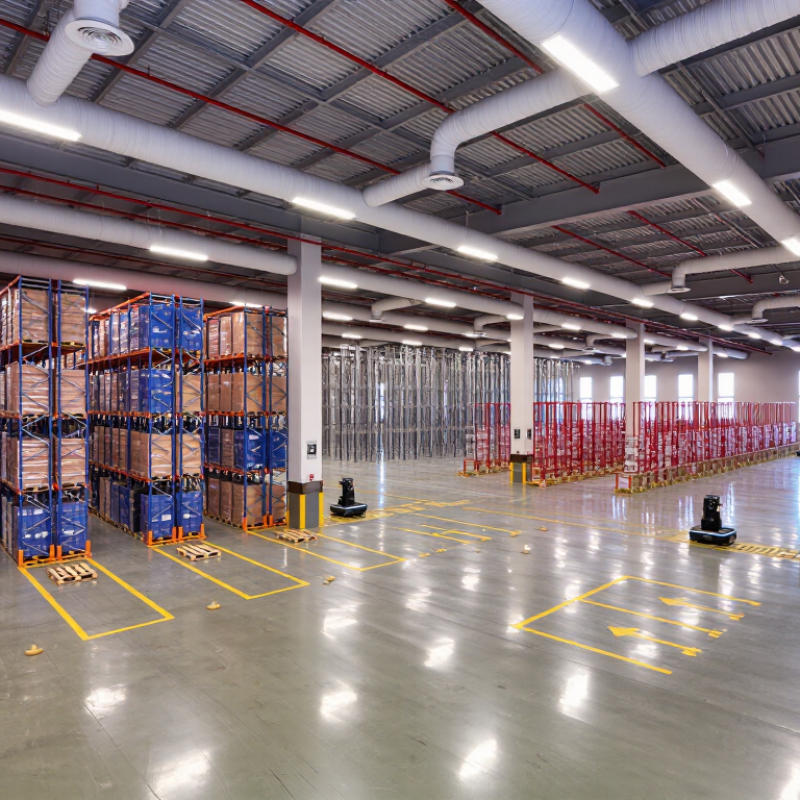
How to Choose the Best Pallet Storage System?

Understand the Fundamentals of Pallet Storage Systems

Choosing a pallet storage system begins with understanding how pallets move, not how impressive a rack looks. Measure pallet height, load weight, forklift turning space, aisle width, and daily throughput. A warehouse handling 800 pallets may need a different layout than one storing 8,000. That sounds obvious, yet rushed surveys often miss column locations, sprinkler clearance, or damaged floor sections.

MHI’s 2024 Annual Industry Report found that 55% of supply chain professionals planned to increase investment in automation. This signals a practical issue: storage systems must support future equipment, not only today’s forklift.

Selective racking offers direct access to every pallet, while drive-in systems increase density but reduce access flexibility. High-density storage can look efficient. It may become slow during urgent picking.

Safety and reliability are equally fundamental. The Occupational Safety and Health Administration requires stable stacking, clear aisles, and protection from vehicle impact. Use load plaques, rack inspections, upright guards, and visible pedestrian routes. The Rack Manufacturers Institute recommends regular inspections by trained personnel, with immediate control of damaged components.

In practice, operators sometimes prioritize capacity over visibility. That decision deserves review. A slightly wider aisle may reduce collisions, product damage, and costly interruptions. Recheck the design after observing a normal shift, because drawings rarely show every real-world movement.

Assess Warehouse Space, Inventory, and Handling Requirements

How to Choose the Best Pallet Storage System?

Assessing warehouse space, inventory, and handling requirements should come before comparing rack designs. Measure clear height, column spacing, aisle width, floor capacity, and fire-safety clearances. A warehouse may look spacious but still lose usable volume through poorly positioned aisles. Record the current pallet footprint, load weight, and maximum stacking height. Do not rely on memory.

Inventory behavior matters equally. Fast-moving products need quick access and short travel paths. Seasonal or slow-moving stock may suit higher-density storage. The 2024 MHI Annual Industry Report found that 74% of supply chain leaders planned to increase technology investment over the next five years. That figure suggests future handling changes should influence today’s storage decision. However, technology alone cannot repair inaccurate stock records.

Observe handling work during a busy shift. Count forklift turns, pallet touches, retrieval delays, and damaged loads. Selective storage can support high accessibility, while drive-in layouts may improve density but reduce direct access. The right choice depends on real movement patterns, not drawings. WERC’s DC Measures research consistently treats inventory accuracy and order-picking performance as core warehouse benchmarks. Set internal targets before installation.

Leave room for mistakes. Aisles may need more clearance than planned. Operators may prefer familiar routes. Recheck measurements with loaded equipment, not empty pallets. Then compare capacity, accessibility, safety, and future flexibility using the same data.

Compare Pallet Racking Types and Storage Configurations

How to Choose the Best Pallet Storage System?

Pallet racking should match product movement, available space, and handling equipment. Selective pallet racking offers direct access to every pallet, making it suitable for many stock-keeping units and frequent order changes. It usually requires wider aisles, however. Drive-in racking stores pallets deeply and uses space efficiently. It works better for fewer product varieties with larger quantities.

Push-back racking creates compact lanes while allowing several pallet positions in depth. It can reduce travel time, but operators must manage pallet sequence carefully. Pallet flow racking uses gravity rollers and supports first-in, first-out rotation. This configuration suits dated goods, chilled inventory, or products requiring controlled turnover. Double-deep storage increases density, though it needs suitable reach equipment and may reduce immediate access.

Measure the building height, column spacing, floor capacity, and forklift turning radius before choosing a system. A practical layout should leave clear pedestrian routes and safe working space around loading areas. Rack beams must match the pallet weight and dimensions, not just the available shelf length. Small details matter.

A common mistake is selecting the densest option too early. High density can slow picking when demand changes. I would test the design with real pallet sizes, peak inventory, and daily travel distances. One configuration may look efficient on paper but feel restrictive during a busy afternoon. Review the plan with trained operators and a qualified storage-system inspector before installation.

Evaluate Safety, Accessibility, Capacity, and Operating Costs

How to Choose the Best Pallet Storage System?

Safety and accessibility should guide every pallet storage decision. Begin by recording pallet weights, dimensions, load conditions, and forklift movements. A system rated for average loads may fail under uneven or concentrated weight. Check upright protection, beam locking devices, floor quality, and overhead clearance. Schedule inspections after impacts, not only at fixed intervals. Small bends can become expensive problems.

Accessibility affects both speed and safety. Select layouts that let operators see pallet labels clearly and remove stock without forcing awkward turns. Wide aisles improve movement, but they also reduce usable storage space. Define whether your operation needs direct access, dense storage, or a balance of both. Measure twice. My first warehouse layout looked efficient on paper, yet one blocked aisle slowed picking during peak hours.

Capacity calculations should include real operating limits, not just empty vertical space. Consider pallet rotation, seasonal inventory, future growth, and safe stacking height. Use documented load data and ask a qualified storage professional to verify the design. Operating costs include installation, inspections, repairs, energy use, labor, and damaged goods. A cheaper structure may require more handling time. That difference becomes visible every week. Review picking times and near-miss reports before final approval. No model is perfect; actual warehouse behavior may challenge your assumptions. Regularly revise the layout when products, equipment, or workflows change.

How to Choose the Best Pallet Storage System?

Comparison of typical warehouse storage options across safety, accessibility, capacity, and operating cost.

Scores are industry-oriented benchmarks on a 0–100 scale. Higher scores indicate better performance. Operating cost reflects relative labor, handling, maintenance, and energy requirements; actual results depend on building height, pallet dimensions, turnover, and automation level.

Select and Implement the Most Suitable Pallet Storage System

Choosing the best pallet storage system starts with the inventory, not the equipment. Record pallet dimensions, weights, product turnover, and daily retrieval patterns. A warehouse holding many product lines may need selective racking for direct access. Dense storage can suit fewer products with larger pallet quantities. Measure clear height, column positions, floor capacity, and emergency access before selecting a layout.

Walk through the operation during a busy shift. Watch how forklifts turn, queue, and approach each pallet. A small aisle-saving decision can create serious delays later. Selective, drive-in, push-back, and pallet-flow systems each solve different problems. Consider product rotation, loading rules, stock visibility, and future growth. The cheapest option is not always the most economical.

Implementation should begin with a scaled layout and a controlled trial. Mark rack positions on the floor, test forklift movements, and confirm safe clearance around doors and sprinklers. Install protection for exposed frames and label every location clearly. Train operators using real pallets, not only diagrams. Inspect beams, anchors, and uprights on a regular schedule. Keep load notices visible.

Plans often look perfect on paper. They may fail beside a busy dispatch door. Review the first weeks of use, record congestion, and adjust locations when evidence supports it. A reliable system combines engineering checks, practical observation, documented inspections, and honest feedback from warehouse staff.

FAQS

What should be measured before choosing a pallet storage system?

Measure pallet height, weight, footprint, clear ceiling height, column spacing, aisle width, and floor capacity. Check sprinkler clearance and emergency routes. Do not trust memory.

How does inventory movement affect storage selection?

Fast-moving products need direct access and short forklift travel paths. Seasonal or slow-moving stock may suit denser storage. Movement matters more than appearance.

When is selective pallet storage a suitable choice?

Selective storage suits warehouses needing access to many product lines. Each pallet remains reachable without moving others. It uses more space.

When can high-density storage create problems?

High-density layouts can store more pallets in less space. However, they may reduce visibility and slow urgent retrievals. Density is not everything.

How can warehouse teams test a proposed layout?

Mark rack positions on the floor before installation. Use loaded forklifts to test turns, queues, doors, and pallet approaches. Empty pallets hide problems.

What safety details should a pallet storage system include?

Keep aisles clear and protect exposed rack frames from vehicle impacts. Use visible load notices, location labels, pedestrian routes, and secure anchors. Inspect damaged parts immediately.

How often should pallet racks be inspected?

Inspect racks regularly through trained personnel and record visible damage. Check beams, uprights, anchors, guards, and load notices. Small damage can grow.

Should future automation influence today’s storage decision?

Yes, future equipment may require different aisle widths, clearances, or movement paths. Leave adaptable space where practical. Technology cannot fix poor inventory records.

How can a warehouse judge whether the system works after installation?

Review the first weeks of operation during busy shifts. Record congestion, retrieval delays, forklift turns, pallet touches, and damaged loads. The drawing may be wrong. Adjust locations when evidence supports change.

Conclusion

Choosing the best Pallet Storage System starts with understanding how different systems organize, protect, and retrieve palletized goods. Begin by evaluating warehouse dimensions, ceiling height, floor conditions, inventory volume, product turnover, pallet sizes, and available handling equipment. These factors help determine whether a selective, drive-in, double-deep, push-back, or other configuration can support daily operations efficiently.

A suitable system should balance storage capacity with accessibility, safety, flexibility, and total operating cost. Consider how frequently goods must be retrieved, whether first-in, first-out rotation is necessary, and how easily employees can inspect and handle inventory. Load capacity, aisle width, structural durability, fire protection, and future expansion should also be reviewed before making a decision. After comparing the available options, select the configuration that best matches current requirements while allowing room for business growth. Careful planning, professional installation, clear operating procedures, and regular inspections will help ensure reliable performance and a safe, efficient warehouse environment.

Clara

Clara

Clara is a dedicated marketing professional with a strong understanding of the company’s products, customers, and evolving market needs. With a background in strategic communication, content development, and digital marketing, she transforms complex product information into clear, practical, and......