Warehouse Pallet Racks are more than steel frames; they shape how safely and efficiently a warehouse moves goods. Aisle width, pallet dimensions, forklift turning space, and floor conditions all affect the final layout. Small errors compound. The 2024 MHI Annual Industry Report, produced with Deloitte, found that 55% of surveyed supply-chain leaders planned to increase investment in supply-chain innovation over the following two years. That investment puts greater focus on storage systems that can support changing operations—not simply maximize space on a drawing.
For buyers comparing suppliers in China, a useful evaluation starts with practical evidence. Ask for load-rating details, steel and finish specifications, dimensional drawings, and clear guidance on installation and inspection. Check whether the proposed beam levels match your actual pallet sizes and handling equipment. A low quotation can look attractive, yet missing design assumptions may create costly changes later. This is easy to overlook.
The best supplier is not automatically the one with the largest catalog or the lowest price. Look for responsive engineering support, consistent quality records, and communication that makes technical limits clear. No rack is perfect for every building. A credible partner will say so, explain the trade-offs, and revise the design when site conditions demand it. This guide explores what to look for in a Best Warehouse Pallet Racks Supplier in China, with attention to fit, durability, and dependable project support.
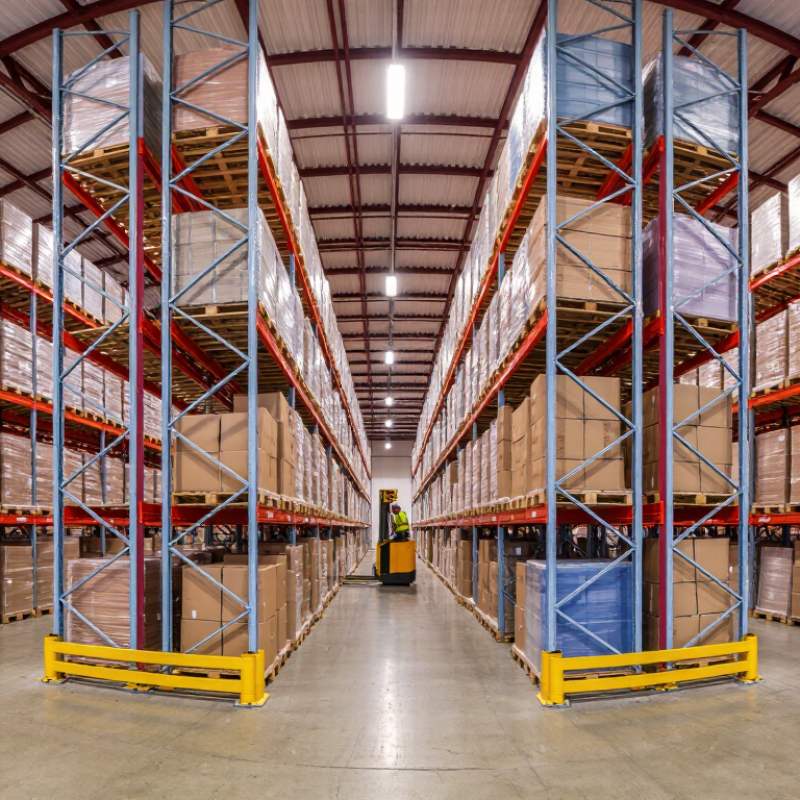
China’s warehouse pallet-racking industry is shaped by expanding distribution networks and the need to use floor space efficiently. According to the China Federation of Logistics and Purchasing’s 2023 China Warehousing Index report, the index averaged 51.5%, up 2.1 percentage points from 2022. This indicates improving activity, not a direct measure of rack sales. The National Bureau of Statistics reported that China’s online retail sales reached 15.42 trillion yuan in 2023, an 11% increase year on year. More orders often mean faster stock movement and tighter picking schedules. Rack design must support both.
In practice, buyers compare pallet loads, forklift aisle widths, ceiling height, and floor conditions before choosing a layout. Selective racks offer direct access to each pallet; denser systems can store more goods but may reduce access speed. Details matter. A small mismatch between beam capacity and actual load can become a serious operational risk. Supplier quotations should specify rated capacities, steel and coating details, installation scope, and inspection arrangements. Data from national reports gives useful context, but it cannot replace a site survey. Some projects still overvalue storage density. That deserves a second look.
Illustrative pallet positions per rack run by system type
This design example assumes five storage levels and three pallet lanes per system. The position counts are calculated from the assumed storage depth: selective (2 deep), double-deep (4 deep), drive-in (5 deep), push-back (4 deep), and pallet flow (4 deep). They are not industry-wide market statistics; actual capacity depends on the warehouse layout, equipment, and design.
Selective pallet racks suit warehouses that handle many product types and need direct access to each pallet. Forklifts enter clear aisles, making stock checks and order picking straightforward.
Drive-in racks use deeper lanes and reduce aisle space. The trade-off is less immediate access to pallets at the back.
Pallet flow racks use inclined rollers to move stock forward, supporting first-in, first-out rotation for dated goods. Space matters.
Push-back racks store several pallets deep while keeping loading and retrieval at the aisle. They can help where floor space is tight, though operators need clear procedures to avoid handling errors.
Cantilever racks support long, awkward loads such as pipes, timber, or sheet materials.
A layout that looks efficient on paper may not suit the actual forklift turning radius; measure it before finalizing the design.
Tips: When comparing a pallet rack supplier in China, share pallet dimensions, load weights, handling equipment, and expected inventory flow. Ask for clear load ratings and installation guidance. Check that rack protection and inspections fit your site conditions. Small details, like an uneven floor, can change the right choice.
Best Warehouse Pallet Racks Supplier in China
How to Assess a Chinese Pallet Rack Supplier
Choosing a pallet rack supplier starts with the rack, not the quotation. Ask for drawings that show upright dimensions, beam profiles, bracing, and connector details. Request load tables for each beam level and bay configuration. Check the stated capacities against your pallet size, load weight, and handling equipment. A neat PDF is not proof. Ask how calculations are verified and whether material certificates or test reports apply to the exact model being quoted.
Look closely at production controls. Ask how steel thickness is checked, welds are inspected, and coating thickness is measured. Request dated inspection records from a recent batch. If possible, arrange a live factory video tour or an independent inspection. Watch the details. Consistent hole spacing, clean welds, and protected components during packing can reveal useful information. Confirm packaging, spare-part availability, lead time, and how damaged items are handled.
Technical support matters after delivery, too. Ask who reviews your layout and what information they need, such as aisle width, floor conditions, and forklift type. Put specifications and agreed tolerances in writing. One slow email does not prove a supplier is unreliable; time zones and busy production periods can affect replies. But repeated vague answers deserve attention. A rack that fits your site safely is worth more than a low quote.
A reliable pallet rack begins with controlled steel quality, accurate forming, and consistent welds. During supplier audits, check material certificates against the steel actually used. Inspect upright perforations, beam connectors, and weld seams; small variations can complicate installation. Ask for load-test records and drawings showing the rated configuration, not just a general capacity claim.
Certifications matter, but they do not replace engineering evidence. ISO 9001 covers a quality management system, not the capacity of a specific rack design. Request calculations and test documentation aligned with applicable standards, such as EN 15512 or ANSI MH16.1. For use and maintenance, EN 15635 provides guidance on rack safety and inspections. Verify certificate scope, issuing body, and validity.
Warehouse conditions make these checks practical, not paperwork alone. The U.S. Bureau of Labor Statistics reported 4.8 recordable injury and illness cases per 100 full-time workers in warehousing and storage in 2022. That sector-wide figure is not a rack-failure rate, but it underlines the value of safe operations. Check that installation instructions specify anchoring, floor requirements, load labels, and damage reporting. Keep inspection records. And be candid: even a well-made rack can be damaged by a forklift, so staff training and regular checks still matter.
Choosing a warehouse rack supplier starts with your actual operation, not a catalogue photo. Measure clear height, aisle widths, floor conditions, pallet dimensions, and forklift turning space. Ask the supplier to review these details against your storage targets and handling equipment. Details matter. A layout that saves one aisle may create daily bottlenecks.
Request drawings, stated load capacities, material specifications, finish details, and installation instructions before comparing prices. Confirm whether capacities apply to each beam level or an entire bay, and ask how uneven loading affects them. Ask for evidence. A reliable supplier should explain its assumptions and identify questions that require review by a qualified local professional. Check references for projects with similar pallet weights and operating conditions.
Compare lead times, replacement-part availability, inspection support, and warranty terms in writing. Visit the production facility if practical, or request current quality records for the proposed system. The cheapest quote may omit useful items, such as column protectors or installation checks. I would question a polished proposal that skips a site survey; no spreadsheet captures every floor joint or awkward corner. Leave room for adjustment, since warehouse plans change and early estimates can be wrong.
Measure your warehouse height, aisle widths, floor conditions, pallet sizes, and forklift turning space. A low price means little if the layout creates daily bottlenecks.
Ask for upright dimensions, beam profiles, bracing, and connector details. Drawings should match the specific system being quoted.
Request load tables for each beam level and bay setup. Check them against your pallet dimensions, load weight, and handling equipment. Ask how uneven loading affects capacity.
Ask how steel thickness, welds, and coating thickness are checked. Dated inspection records from a recent batch can help. A neat PDF alone proves little.
If practical, visit the facility or arrange an independent inspection. A live video tour may also reveal hole spacing, weld quality, and how parts are packed.
Share aisle widths, floor conditions, pallet details, and forklift type. Ask for a review against your storage targets. One awkward floor joint can matter.
Request installation instructions and confirm who reviews the layout. Ask what information they need and whether inspection support is available.
Record specifications, tolerances, lead times, warranty terms, replacement parts, and damage procedures. Small omissions can become costly later.
One slow email may reflect time zones or a busy production period. Repeated vague answers deserve attention, though response speed alone is not proof.
It may omit protectors or installation checks. Compare the full scope, and leave room for adjustments because early estimates can be wrong.
China’s warehouse pallet racking industry offers a wide range of storage solutions for businesses seeking to improve space utilization and inventory handling. Options such as selective, drive-in, and pallet-flow racks suit different warehouse layouts, product types, and access requirements. Understanding how each system works can help businesses choose a design that supports their operational needs and future growth.
When assessing a supplier, consider manufacturing capability, material quality, engineering support, delivery reliability, and after-sales service. Ask about relevant quality certifications and safety standards, and confirm that the proposed Warehouse Pallet Racks are designed for the intended loads, equipment, and site conditions. Comparing these factors alongside budget and installation requirements can help you select a dependable supplier and create a safe, efficient storage system.